


Last month we explored the geological story of Lake Ohrid — a landscape shaped over more than a million years. This month the lens shifts from geology to people.
In comparison with the age of the lake, the human story here occupies little more than a finger-snap in time. Yet within that moment successive civilisations have layered belief, culture and identity onto the same stretch of shoreline. The result is a town where history is not only recorded in books but written directly into the landscape.
Spend time here rather than simply passing through and those layers begin to reveal themselves.
An ancient settlement
Long before Ohrid became associated with churches and monasteries, the settlement here was known as Lychnidos. Its importance was geographical rather than spiritual. The town lay along the Via Egnatia, the great Roman road connecting the Adriatic with Byzantium. Whoever controlled this corridor controlled a vital route between west and east.
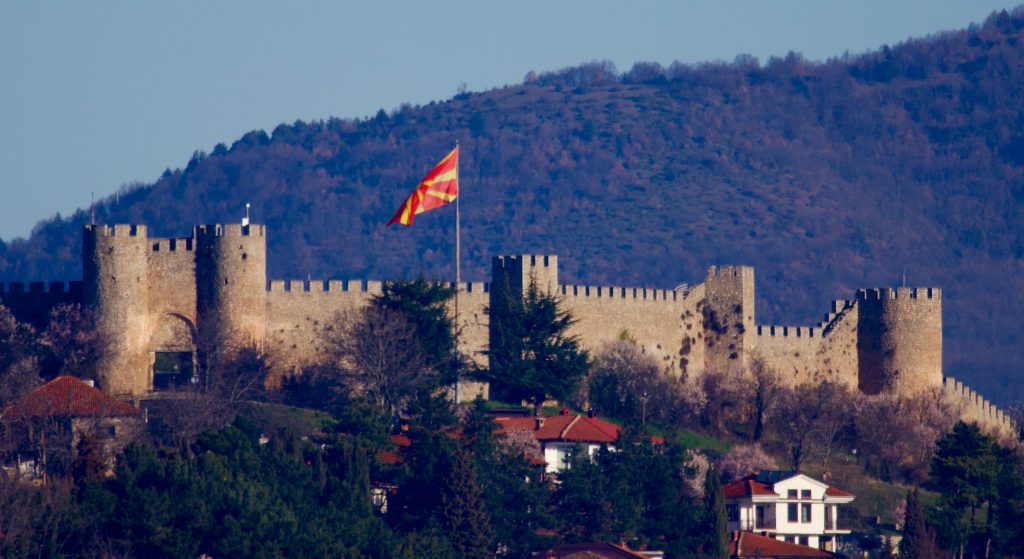
The hill above the town, today dominated by what is widely known as Samuel’s Fortress, has likely hosted fortifications since antiquity. The Macedonian king Philip II, father of Alexander the Great, strengthened control of this region in the fourth century BCE as his kingdom expanded across the Balkans. Roman rule followed, and Lychnidos grew as a trading and administrative settlement along the Via Egnatia.
In other words, the strategic importance of this place long predates the religious reputation it later acquired.
A capital of an empire
Ohrid’s transformation into a major cultural and religious centre came much later.
In the late ninth century Tsar Samuel of Bulgaria established his capital here. For a period, the city became both a political and ecclesiastical centre of the Bulgarian Empire. The fortress overlooking the town was expanded during this time, and the Bulgarian Patriarchate was based here.
Samuel’s reign ended with defeat by the Byzantine emperor Basil II in 1018, but the religious importance of Ohrid did not disappear. The city remained the seat of the Archbishopric of Ohrid, which would continue to influence Orthodox communities across much of the Balkans for centuries.
The hilltop fortress still visible today carries Samuel’s name, but it represents only one chapter in a much longer story.
A centre of Orthodox learning
The roots of Ohrid’s religious significance run even deeper.
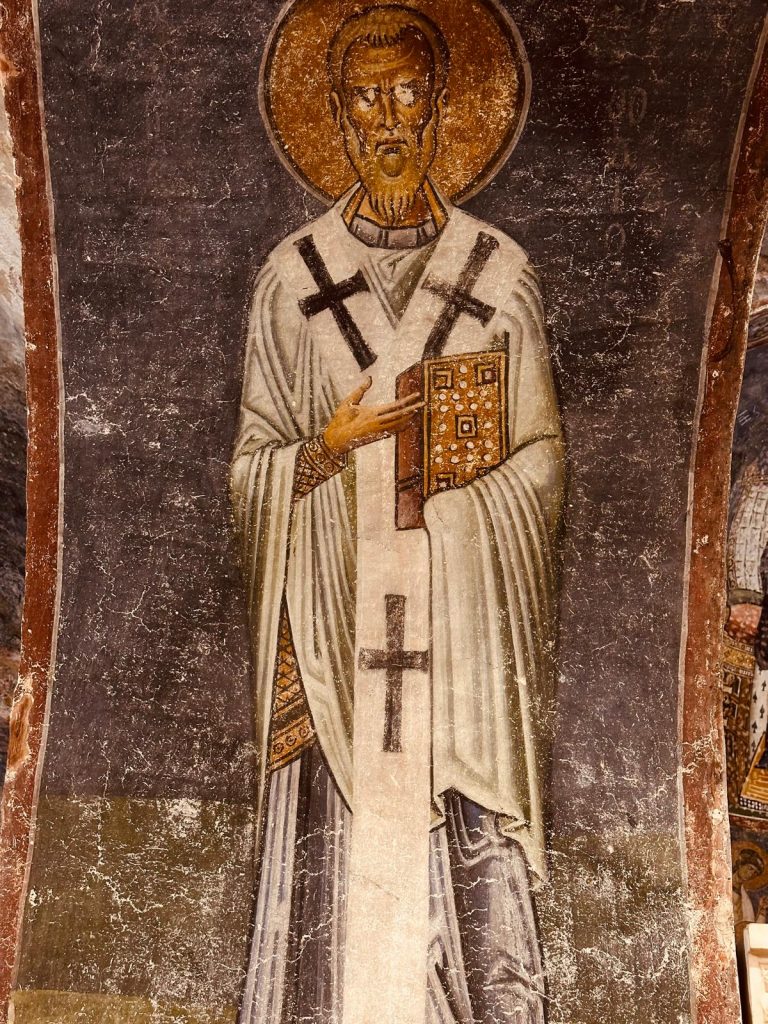
In the ninth century Saint Clement and Saint Naum, disciples of the missionaries Cyril and Methodius, established centres of Christian learning around the lake. Clement is often credited with founding one of the earliest Slavic educational institutions here, teaching theology, scripture, and literacy to thousands of students.
From these schools the traditions that would shape Slavic Orthodox culture spread widely across the region. The script that emerged from this intellectual environment became known as Cyrillic, named in honour of Cyril but developed and taught extensively by Clement and his followers.
This period cemented Ohrid’s identity as a spiritual and educational centre.
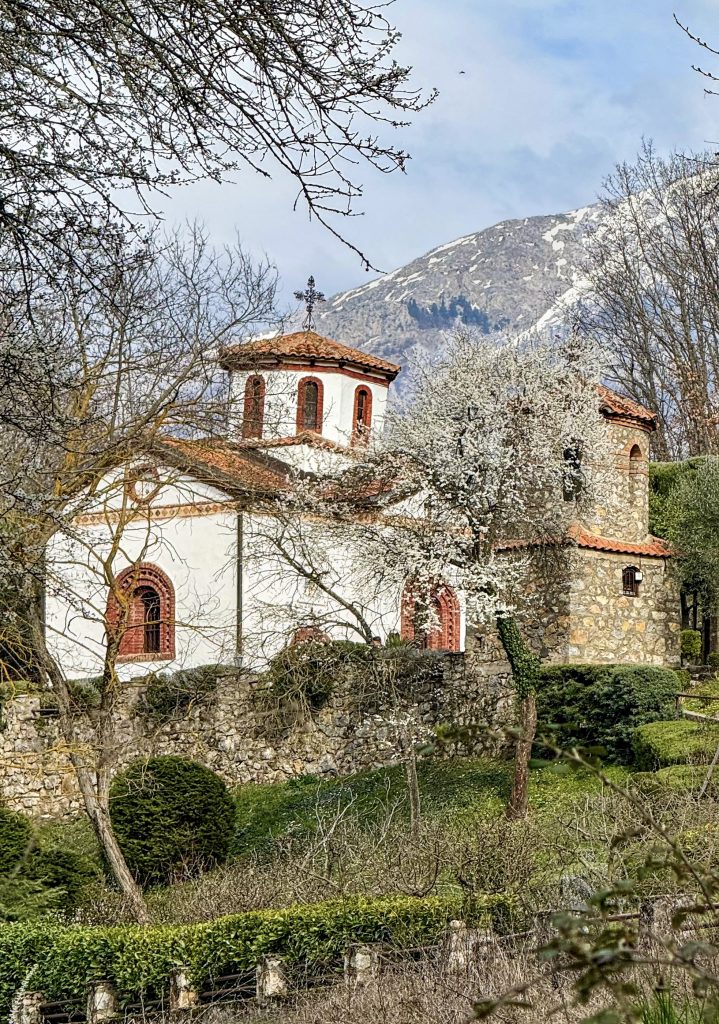
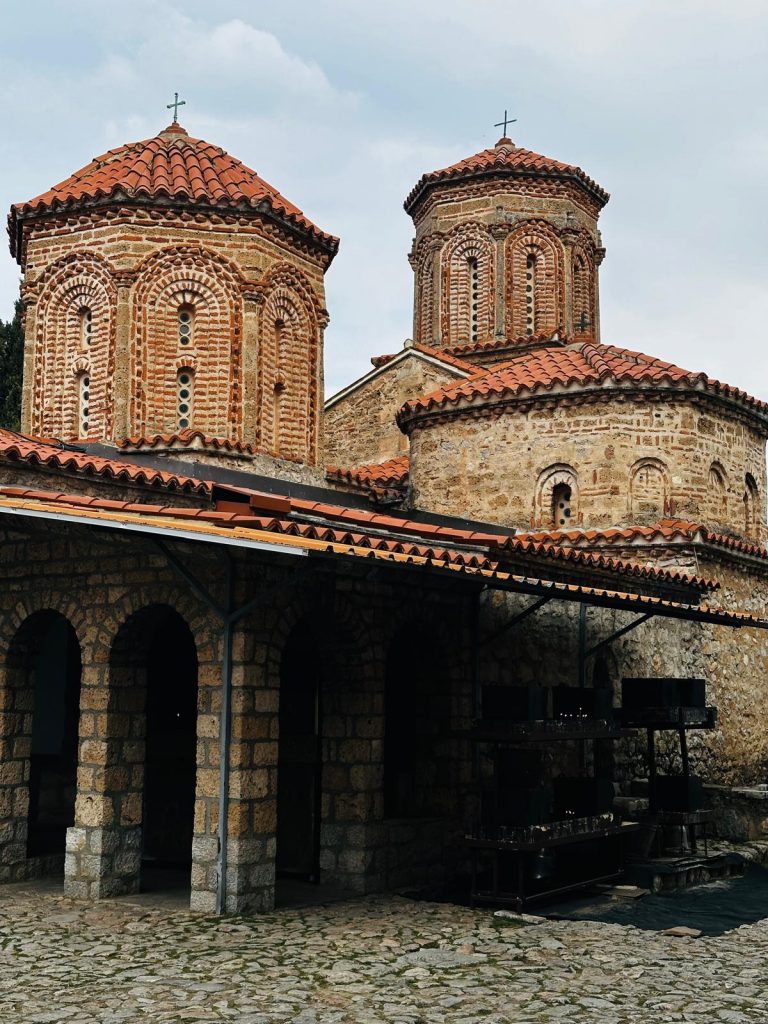
A well-known local tradition claims that the city once contained 365 churches — one for every day of the year. Whether symbolic or literal, the story reflects the extraordinary density of religious institutions that once existed here.
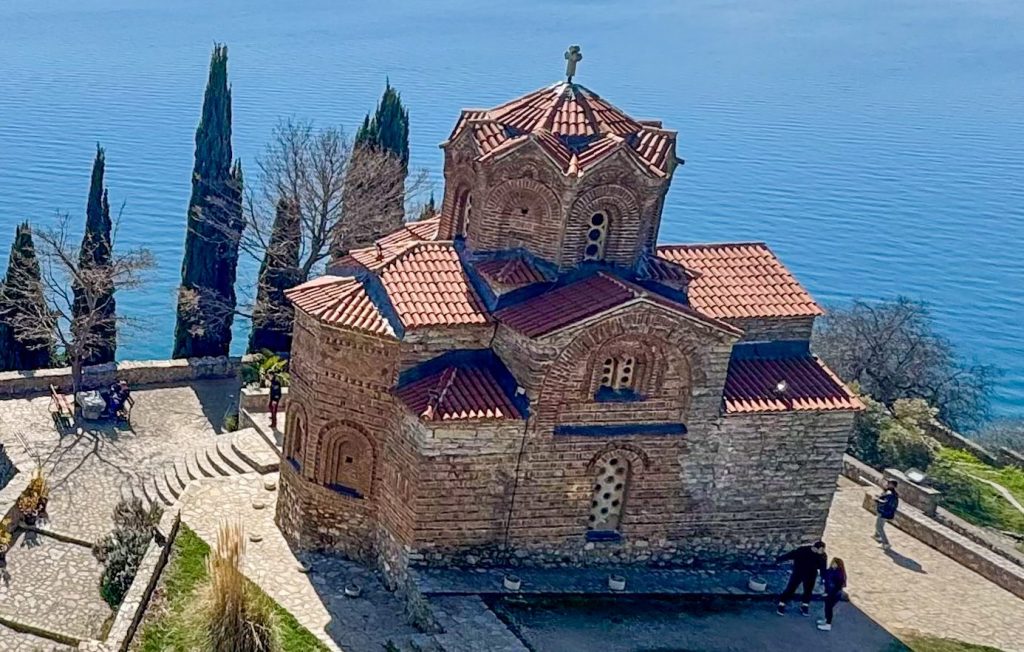
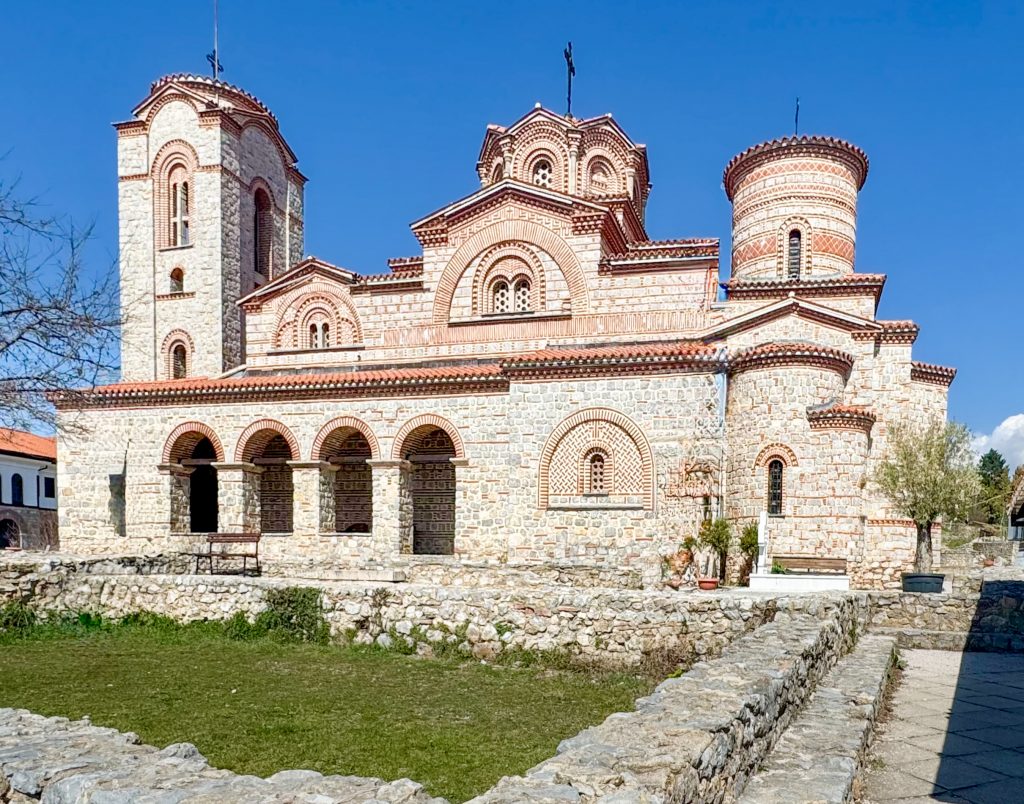
Several of the most prominent churches remain today. The Church of Saint John at Kaneo, perched dramatically above the lake, has become one of Ohrid’s most recognisable landmarks. The medieval church of Saint Sophia, once the cathedral of the Archbishopric, stands quietly within the old town. Nearby lie the restored remains of Plaošnik, where Saint Clement’s monastery once stood.
The Ottoman layer
Religion in Ohrid, however, does not belong solely to Orthodox Christianity. From the late fourteenth century the city formed part of the Ottoman Empire for more than five hundred years. During this period Islamic communities became established here and new religious buildings appeared alongside the older churches.
The Ali Pasha Mosque, with its slender minaret rising near the lakeside, is a visible reminder of this Ottoman chapter in the city’s history. The green flag of Islam flying from the minaret signals not simply a historical monument but a continuing presence.

As with many towns across the Balkans, the religious landscape of Ohrid reflects centuries of overlapping cultures rather than a single tradition.
Catholic communities have also been present here, adding another strand to the region’s diverse religious history.
Faith in the everyday landscape
What becomes most noticeable while living here is not the dominance of any single faith, but the quiet coexistence of several.
During our stay we happened to witness three major religious observances within a short period: Eid al-Fitr, marking the end of Ramadan; Catholic Easter; and shortly afterwards the larger celebrations of Orthodox Easter, which draw visitors from across the region.
Rather than competing for space or attention, these moments seem to exist alongside one another with little tension.
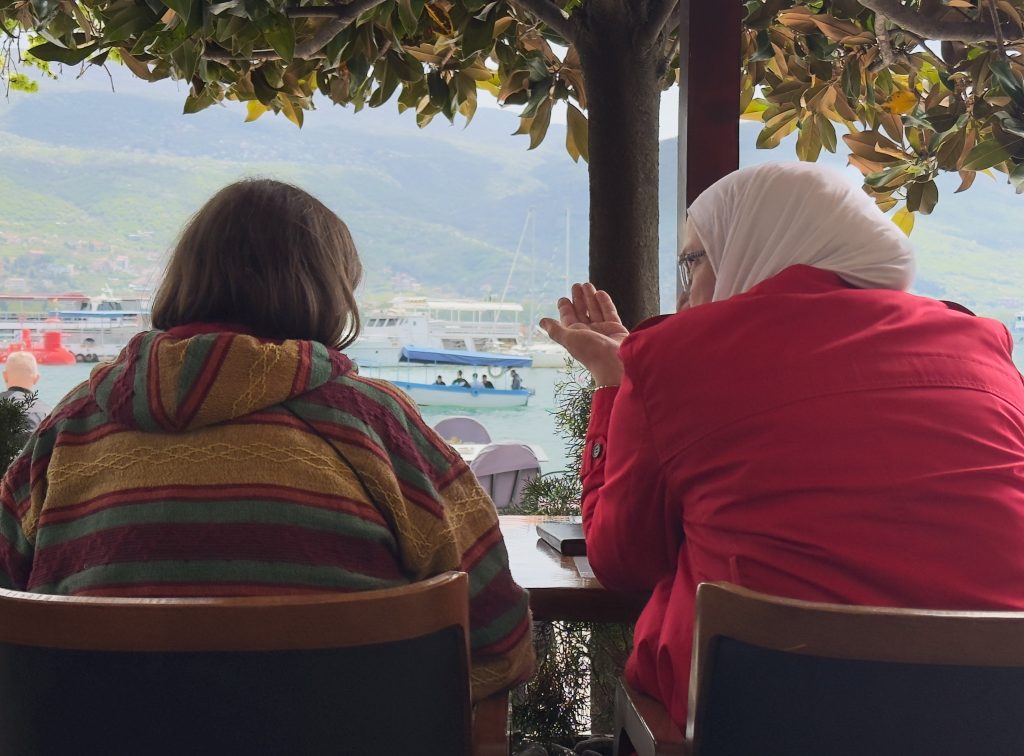
In the lakeside shopping area this coexistence is almost symbolic. Opposite cafés and supermarkets sits a small open space where Orthodox believers pause to pray. Around the corner stand the historic churches of Saint Sophia and Saint John. Not far away the minaret of the Ali Pasha Mosque rises above the rooftops.
Daily life moves calmly around them all.
For travellers expecting religion in the Balkans to feel tense or politically charged — given the region’s complex past — Ohrid can feel surprisingly relaxed. Faith is visible, but it does not dominate the atmosphere. The town often feels quietly secular in its everyday rhythm.
A cultural landscape
Taken together, these layers reveal something important about Ohrid.
Its churches, mosques and monasteries are not simply religious buildings. They are markers of the civilisations that have shaped the town across centuries: Macedonian, Roman, Bulgarian, Byzantine, Ottoman, and modern Balkan.
In geological terms, the human story of Ohrid occupies only a moment compared with the ancient lake beside it. Yet within that moment people have left a remarkably rich cultural imprint on the landscape. To dwell here for a while is to see that imprint slowly emerge — not through doctrine or belief, but through architecture, festivals, rituals, and the quiet coexistence of different traditions.
The lake may be ancient beyond comprehension. The town beside it tells the much shorter — but no less layered — story of the people who chose to live here.
