
How motorhome life quietly led us back to four ancient ways humans move through the world
Seven months into retirement and four months into travelling across mainland Europe, something unexpected began to emerge.
At first it was simply a practical observation. Looking back across our route from France to Albania and now North Macedonia, I noticed that we seemed to be travelling in a small number of distinct ways.
On occasion we settled somewhere for weeks and explored outward each day. On others we moved slowly forward, stopping wherever curiosity suggested. Sometimes we simply needed to get somewhere and travelled efficiently, pausing only because the distance demanded it.
And then there was the quietest pattern of all — one we hadn’t consciously planned — following the seasons themselves. What began as a simple observation about travel gradually started to look more systematic.
Then the penny dropped. These weren’t just travel habits. They were ancient human patterns of movement. Anthropologists have been describing them for decades.
The motorhome hadn’t invented anything new. It had simply given us the freedom to rediscover how humans have always moved through landscapes.
Hub and Spoke
Living somewhere, even if only for a while
Hub and spoke travel was not something we discovered on the road. It was what Pip and I had been doing for several years without naming it. Whenever we holidayed in Scotland or Wales we took the car with us. We would settle somewhere for a week and spend our days exploring the surrounding countryside before returning to the same place each evening. The base remained constant. The explorations radiated outward.
It turns out that this simple pattern has two distinct forms.
The first is hub and spoke on foot.
Ksamil in southern Albania was the purest example. For five weeks we hardly moved the motorhome at all. Our days were built around walks to the beach with Scylla, local shops, and the small routines that gradually make a place feel familiar.
We began recognising people. Shopkeepers greeted us.
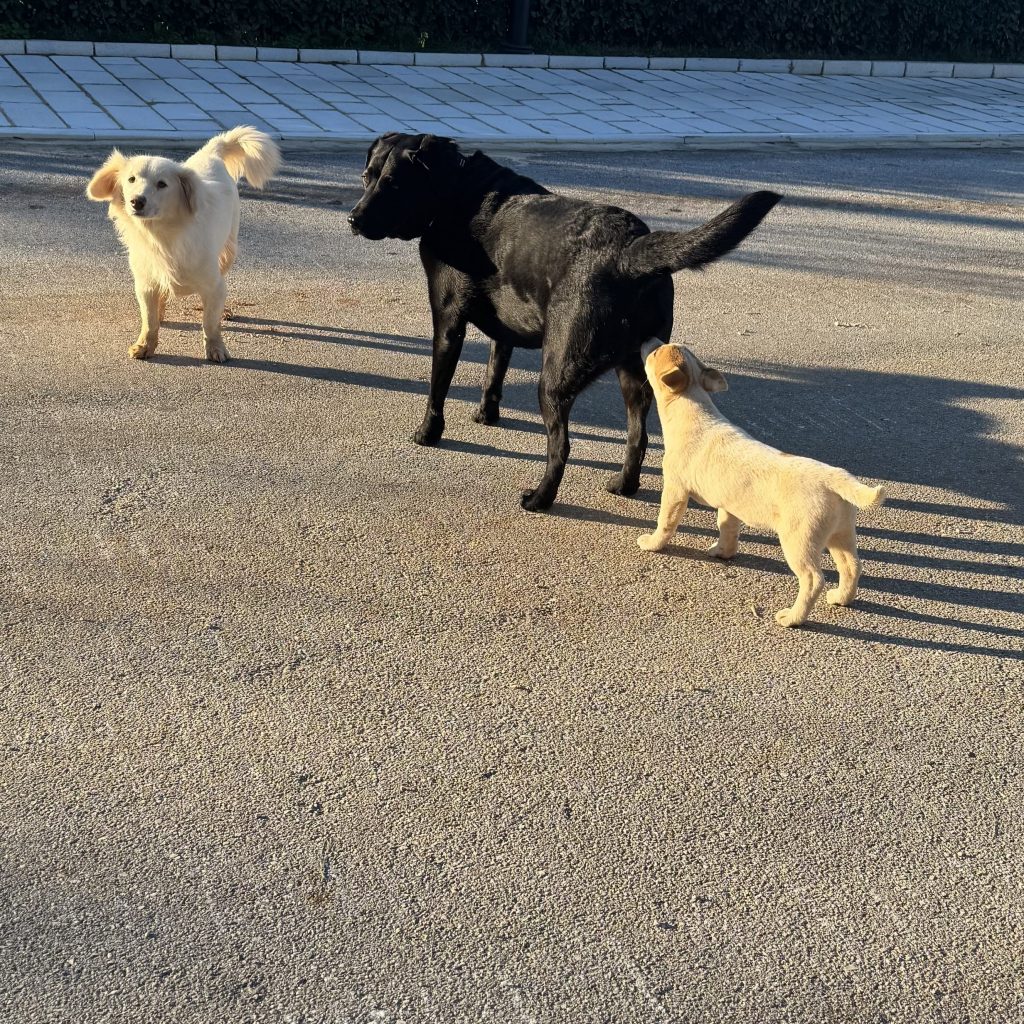
Street dogs formed a loose canine neighbourhood around our daily routes.
Without quite realising it we became, temporarily at least, part of the community.
The second version is hub and spoke with transport.
Le Lavandou in southern France provided an unusual example. We used the same resting place for several days, but distances were large enough that when we needed to shop or explore further afield we had to move the motorhome itself. We would leave our spot, complete the journey, and then return to exactly the same place.
The spokes were longer and our home travelled with us, but the principle remained the same.
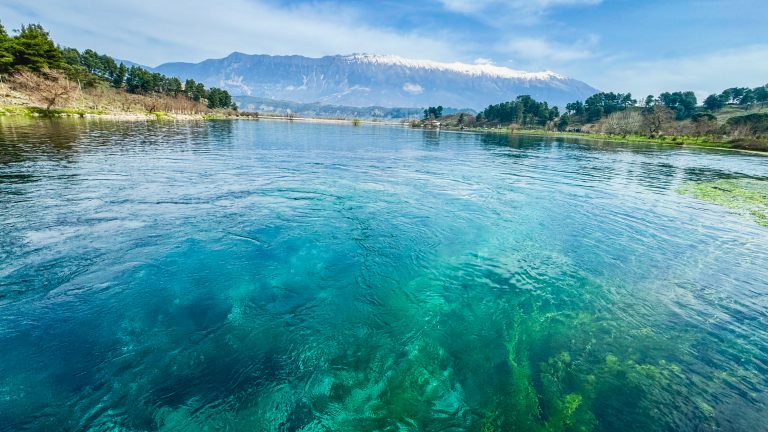
Ohrid, our Macedonian hub, will combine both versions. With a hire car we can explore the region widely while daily walks around the lake allow us to experience the place slowly.
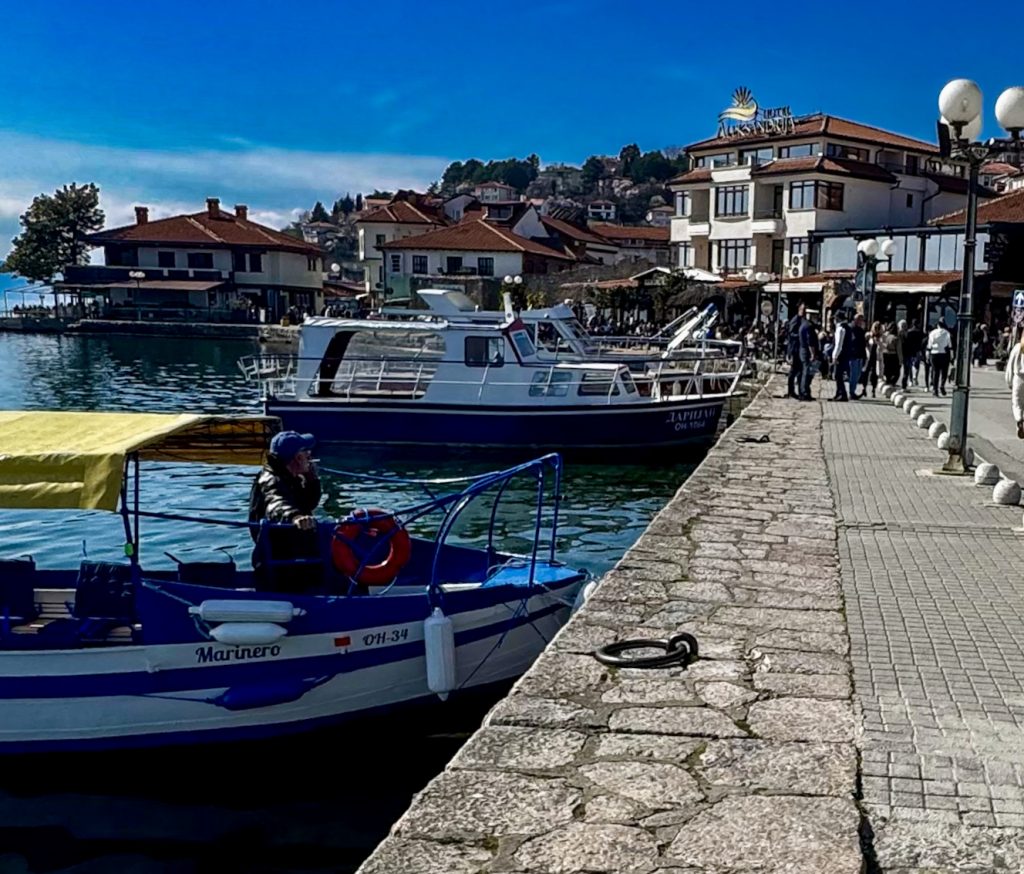
Walking creates intimacy. Driving creates regional understanding. Together they form a layered sense of place.
Anthropologists would recognise the pattern immediately, because it mirrors how villages have organised daily life for thousands of years — settlements surrounded by fields, forests and neighbouring communities explored within a practical daily radius.
Hub and spoke travel is simply the motorhome version of village life.
Wayfaring
Passage-making in baby steps
The second pattern emerged once we left the familiar convenience of having a car. Without that additional transport the motorhome itself became our means of exploration.
France was where we first experienced this fully. Instead of settling somewhere for extended stays, we moved gradually through the country, stopping wherever curiosity suggested. One town might hold us for a night, another for several days.
We called it going nomad. Anthropologists have a more poetic word: wayfaring. The idea is beautifully simple. You come to know the world by moving through it. The route unfolds gradually, shaped by curiosity rather than strict planning.
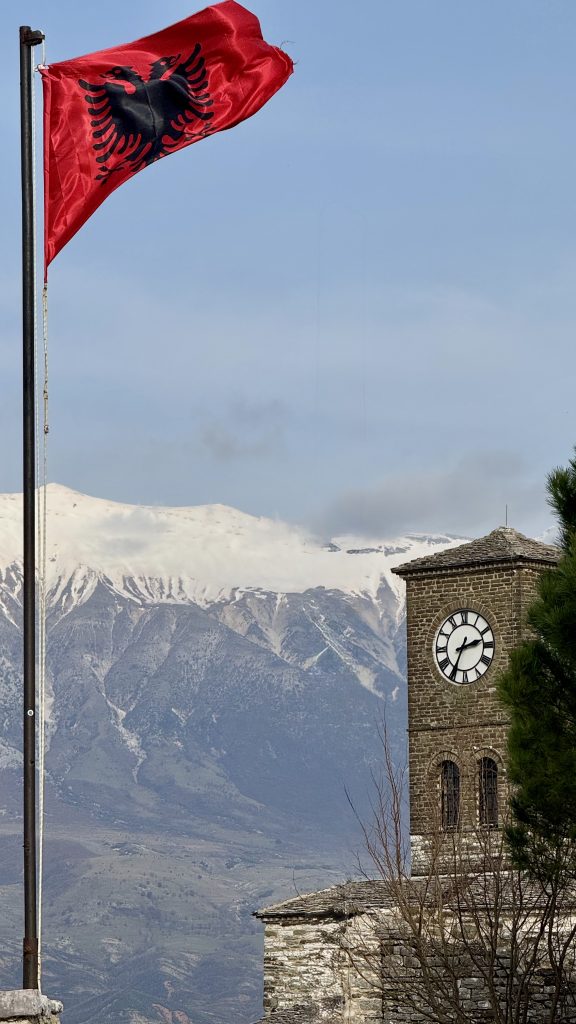
For much of human history this was the dominant way people encountered landscapes. Hunter-gatherer societies moved slowly through territories, establishing temporary camps, responding to weather, water and opportunity. The route evolved as the journey progressed. Our motorhome allowed exactly that. Each stop became a temporary home, each move a small step forward.
Passage-making in baby steps.
Corridor Travel
The modern instinct
Corridor travel is something different again.
It appears when the destination matters more than the journey itself.
You move from A to D, stopping at B and C primarily because the distance demands it.
Historically these corridors became the great trade routes and imperial roads of civilisation: the Silk Road across Asia, Roman roads linking cities, medieval pilgrimage routes crossing Europe.
Our first clear experience of corridor travel came in Italy. We had only a few weeks to travel from Menton on the French border to Ancona on the Adriatic coast, where a ferry would take us to Greece. There simply wasn’t enough time to wander freely. Instead we followed the Italian coastline steadily eastwards.
Rapallo briefly interrupted this corridor. We stayed there for a week over New Year and temporarily turned the town into a hub and spoke base. But the larger movement remained corridor travel. The destination shaped the journey.
Later in the year we will repeat this pattern deliberately. Croatia will be a fast corridor from Bosnia to Slovenia — the shortest route and the quickest crossing.
Sometimes progress matters more than exploration.
Seasonal Travel
Following liveable climates
The fourth pattern appeared almost without our noticing.
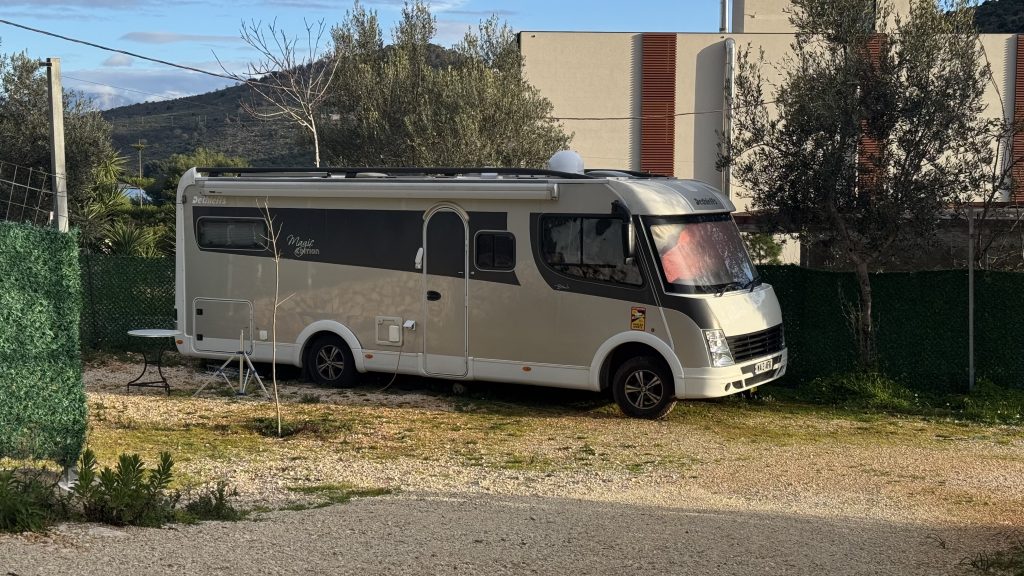
Our home is essentially a metal box. That reality becomes important when travelling with a black Labrador. Extreme heat quickly becomes uncomfortable and potentially dangerous for Scylla.
So we adapt. Winter in warmer regions. Summer in cooler landscapes.
Without consciously planning it our journey has followed a comfortable climatic band across Europe. Mediterranean winter.
Balkan spring. Central European and Alpine summer.
Anthropologists call this kind of movement seasonal migration or transhumance. For centuries shepherds have moved livestock between winter valleys and high summer pastures using exactly the same logic. Instead of forcing the environment to suit you, you move to where conditions are comfortable.
Climate as the invisible route planner
Following the seasons may sound poetic, but in practice it is quietly methodical. Living in a motorhome means living in a small insulated metal space. In summer that metal absorbs heat quickly. When travelling with a black Labrador, heat management becomes not just a comfort issue but a welfare one.
Scylla cannot simply step outside if the environment becomes too hot. Her safety therefore becomes one of the governing principles of our travel planning. For that reason we do something most tourists rarely consider: we study average temperatures month by month across the regions we intend to travel through. This knowledge forms an invisible scaffold beneath our route.
The intention is simple — remain broadly within a band of temperatures that allow comfortable living in the motorhome while still enjoying outdoor life. Across southern and central Europe that band tends to fall somewhere between 15°C and 25°C. Much below that and daily outdoor living becomes limited. Much above it and the interior of a motorhome can become uncomfortably warm.
With this in mind the geography of our route begins to make quiet sense.
| Region | Winter | Spring | Summer | Autumn |
| Mediterranean coast | 10–16°C | 15–22°C | 28–35°C | 18–25°C |
| Balkans lowlands | 5–12°C | 15–22°C | 28–35°C | 15–22°C |
| Mountain regions | 0–8°C | 10–18°C | 18–25°C | 8–16°C |
| Central Europe | 2–10°C | 12–20°C | 20–28°C | 10–18°C |
Seen through this lens our journey across Europe becomes less random and more ecological. Mediterranean regions offer tolerable winters but intense summers. Mountain landscapes provide relief during the hotter months. Northern and central Europe sit comfortably in the middle during late spring and early autumn.
Without consciously designing it this way, our route follows a gentle climatic arc across the continent.
Mediterranean winter. Balkan spring. Alpine summer. Northern Europe in early autumn. The route bends northward as temperatures rise and southward again as they fall. The motorhome simply makes this ancient logic available again.
Rediscovering ancient patterns
Seen together these four travel methods form a surprisingly complete mobility system.
| Method | Human behaviour |
| Hub and Spoke | Living in a place |
| Wayfaring | Discovering through movement |
| Corridor | Travelling efficiently between places |
| Seasonal | Following climate and natural rhythms |
None of these patterns are new. What is new is the freedom to choose between them.
Modern transport has trained us to think almost exclusively in corridors. Airports, motorways and rail networks are all built around the same idea: move efficiently from A to B. But remove the timetable and remove the fixed address and something interesting happens.
Older instincts return. We settle somewhere and explore outward.
We wander gradually through landscapes. We follow seasons and climates. And occasionally, when necessary, we move quickly along a corridor.
The motorhome as an anthropological machine
Living in a motorhome turns out to be a curious thing. On the surface it is simply a practical vehicle: a small home on wheels. But over time it becomes something else. It removes many of the constraints modern life places on travel. Without fixed schedules or reservations we are free to decide not only where we travel, but how we move through the world. And when that freedom appears, ancient patterns quietly re-emerge.
We settle. We wander. We migrate with the seasons. And only occasionally do we rush.
Perhaps that is the real discovery of the Third Life. When the pressures of work, schedules and timetables fall away, we do not invent entirely new ways of travelling. Instead, we rediscover older ones — the ways humans have always moved through landscapes when time, curiosity and the seasons themselves are allowed to lead.
The technology may be new. The patterns are not.