
Travelling encourages movement. The road is always pointing somewhere else, and motorhome travel can easily fall into a rhythm of arrival, exploration, and departure. Places become waypoints on a longer line rather than experiences in themselves.
For much of this journey that has been our pattern. We’ve arrived somewhere interesting, spent a few days or sometimes a week exploring the surrounding area, and then continued onward. The van was home, but our attention was directed outward — toward the next part of our plan; landscapes, towns, and the next stretch of road.
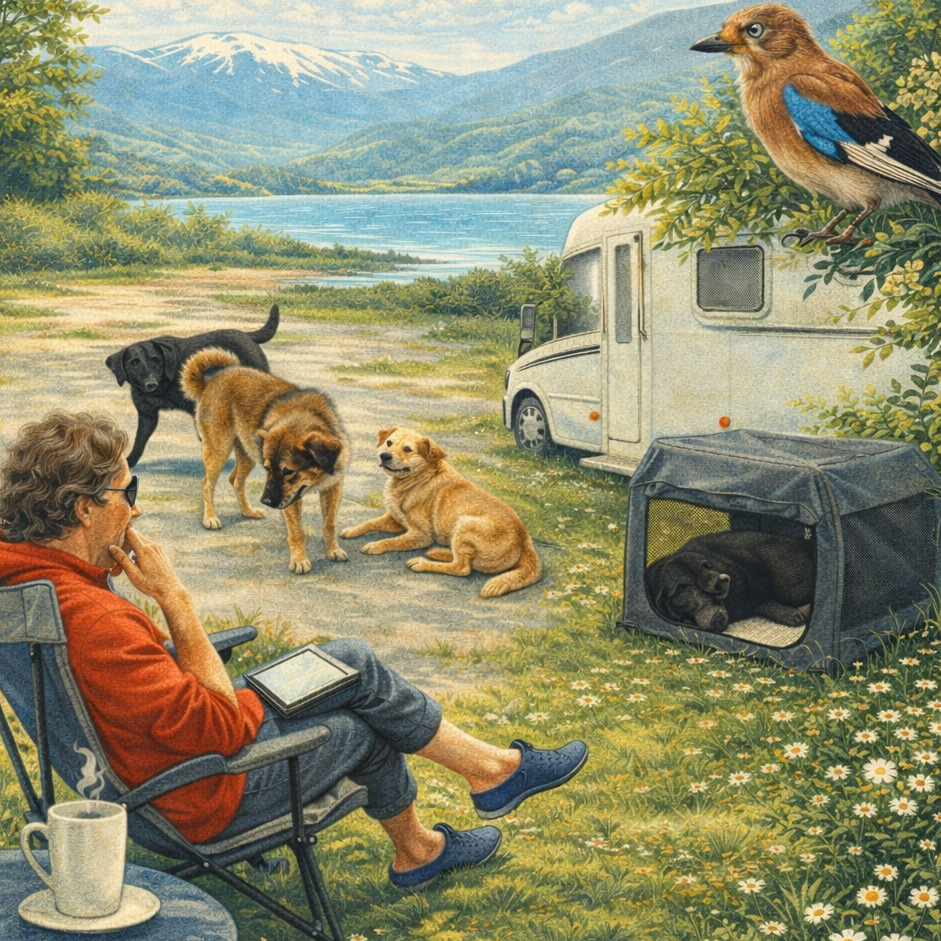
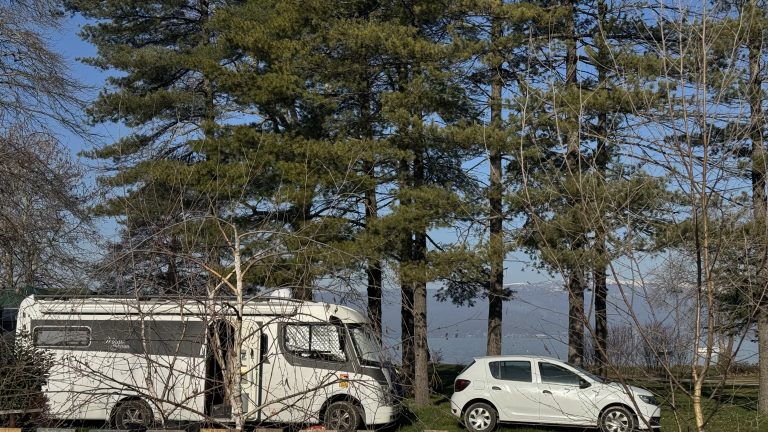
Here in Ohrid something shifted, almost without us noticing. Instead of planning the next movement we stayed. The intention was temporary at first, but as the days accumulated the nature of our relationship with the place changed. Travelling slowed and something quieter took its place. Dwelling began.
Dwelling is not the same as stopping. It is not simply the passage of time in one location. It is the moment when the pace of observation changes. The first days in a new place are dominated by orientation. Where is the water point? Where does the road lead? What lies beyond the hill or around the headland? Movement is part of understanding. But if you remain somewhere long enough a different layer of perception begins to appear. Patterns become visible.
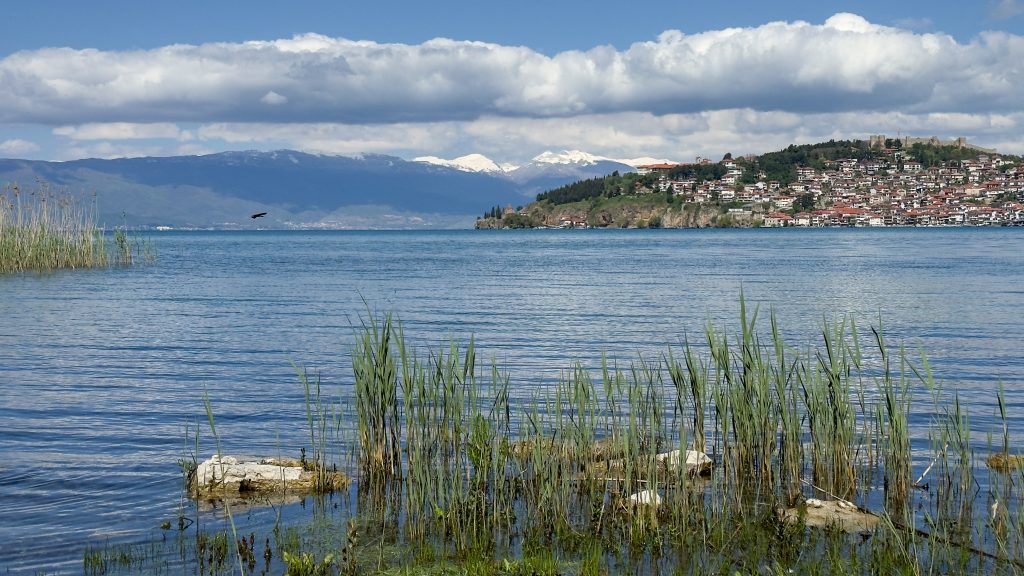
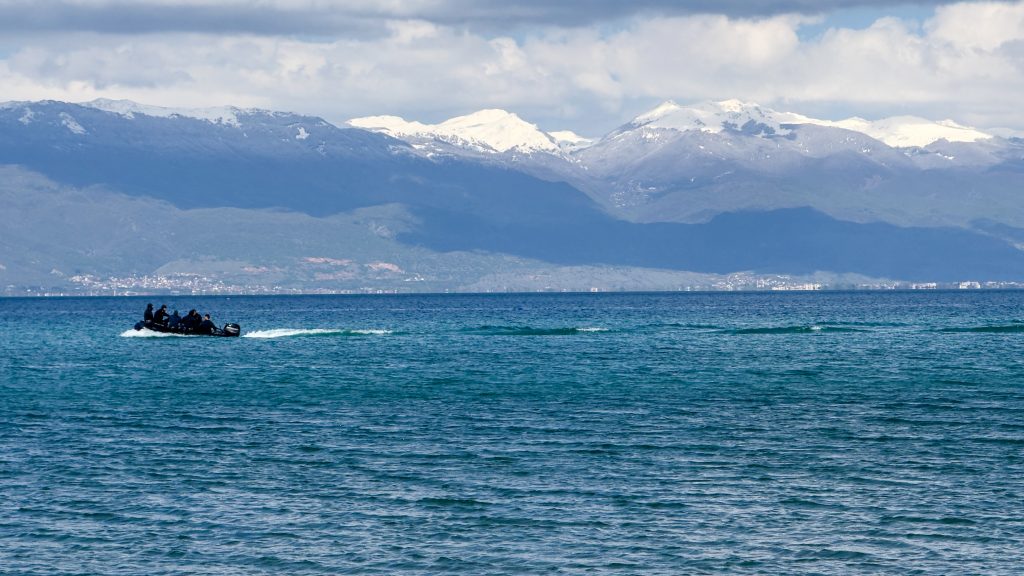
You notice the regular walkers on the lakeside promenade. The way the light changes across the mountains during the afternoon. The subtle rhythm of boats leaving and returning to the harbour. None of these things stand out to a traveller passing through, but they become part of the background structure of life once you stay long enough to see them repeat.
Time reveals the shape of a place. This shift in perception is perhaps the most interesting part of slow travel. The geography does not change — the lake remains the same lake, the streets the same streets — yet the experience deepens because familiarity allows attention to move beyond novelty. You begin to see the place rather than simply encounter it.
Looking across the water here in Ohrid, it is difficult not to be reminded that this pattern of temporary dwelling beside water is very old. Across the lake stands the reconstructed pile settlement at the Bay of Bones. Thousands of years ago small wooden houses stood here on stilts driven into the shallow bed of Lake Ohrid, linked by simple walkways, and forming a small lakeside community above the water. The materials are different today, but the instinct is recognisable. Human beings have long gathered beside water, creating settlements that may last for generations or sometimes only for a season. People arrive, live their daily lives, and eventually move on again.

Dwelling does not necessarily mean permanence. Sometimes it simply means staying long enough for life to unfold. For travellers this creates an interesting paradox. The motorhome exists precisely because we do not intend to stay forever. Mobility is built into the structure of the lifestyle. Yet periods of dwelling allow something that constant movement cannot provide: the slow discovery of how a place works. When travelling pauses, the world becomes easier to read.
The colour of the lake shifts with the weather. The hills reveal their individual contours. The rhythms of local life begin to show themselves in ways that would be invisible to someone passing through for a day or two. Dwelling allows observation to mature.

Eventually we will leave Ohrid, just as the people who once lived in the lake dwellings eventually left their wooden houses above the water. Movement will return and the road will draw us onward again. But for now, travelling has paused. And in that pause we have been reminded that the most interesting part of travel is not always movement itself, but the moment when movement slows enough for a place to reveal its deeper patterns. For a while at least, we are not simply passing through. We are dwelling.