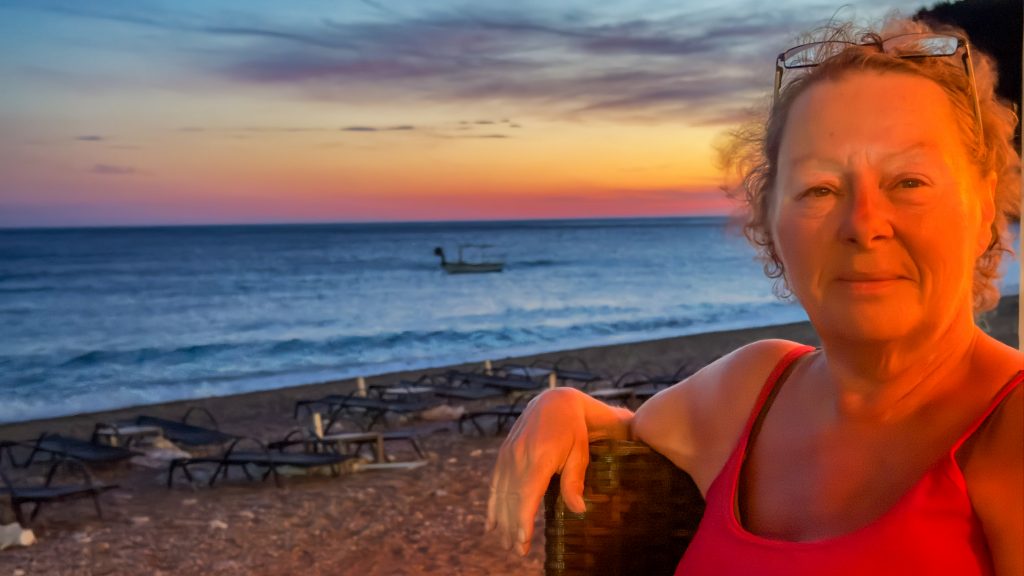

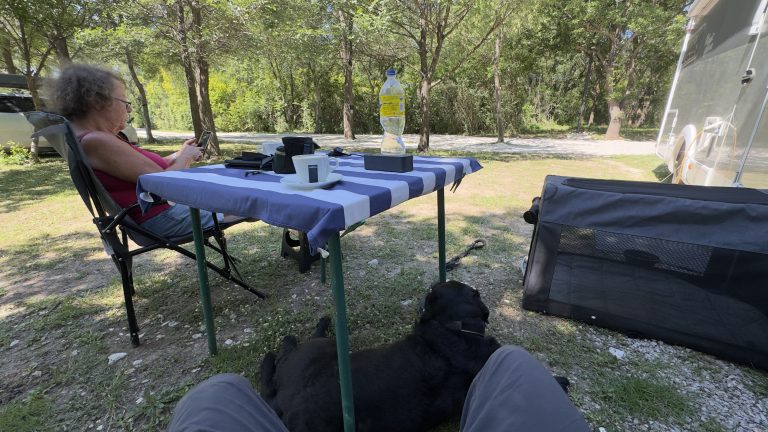
Long-term travel changes you in ways that are difficult to spot while you are still inside it. At first, most journeys begin with practical questions. Routes. Borders. Fuel. Water. Campsites. Weather windows. Which roads look worth driving and which towns look worth avoiding. We spend hours studying maps, satellite views and reviews written by people whose perfect stop may bear little resemblance to our own.
Groundwork matters more than people sometimes admit. Before a journey can mean anything, you first must understand what is there. Not the brochure version. The lived version. What does the road feel like after four hours behind the wheel? Does the town invite walking or force everyone onto busy roads? Does the evening breeze cool the van or trap humidity inside it? Can we buy bread without turning the whole thing into an expedition? Will the place still feel interesting after three days once the arrival glow wears off?
The longer we travel, the more those questions shape our decisions. We still look for beauty, of course. But we also look for flow. We look for places where life becomes easier to inhabit rather than harder to maintain. Somewhere practical can unexpectedly become deeply enjoyable. Somewhere spectacular can leave us oddly restless after forty-eight hours. That rarely reveals itself immediately.
We usually notice it through small things first. The sound of barriers slamming shut late at night. Heat radiating back off hardstanding long after sunset. Walking half a kilometre just to find enough shade for Scylla to stretch out comfortably. Reorganising the same cupboard repeatedly because the layout only works when stationary.
But the positive signs arrive quietly too. A sea breeze appearing at exactly the right time each evening. Pine trees softening sound across an entire campsite. Sitting outside after dinner because the temperature finally relents and neither of us feels any urgency to go back indoors. Returning to the same bakery often enough that greetings become familiar rather than transactional. Setting out for a short walk and returning hours later because one path kept naturally leading into another.
Those things shape the texture of travel far more than postcards ever will. People shape it too. Some campsites feel loose and social without trying too hard. Others feel tense despite being perfectly organised. You can sense it in the way people move through shared spaces, whether neighbours naturally acknowledge one another, whether evenings drift outdoors or everyone disappears behind blinds and air-conditioning by mid-afternoon.
After a while, we stop thinking only in destinations and start paying closer attention to conditions. How will this place feel after a week rather than an afternoon? Will we naturally spend time outside the van here? Will daily life expand or slowly narrow? Will this environment draw us outward into the world or steadily funnel us back indoors?
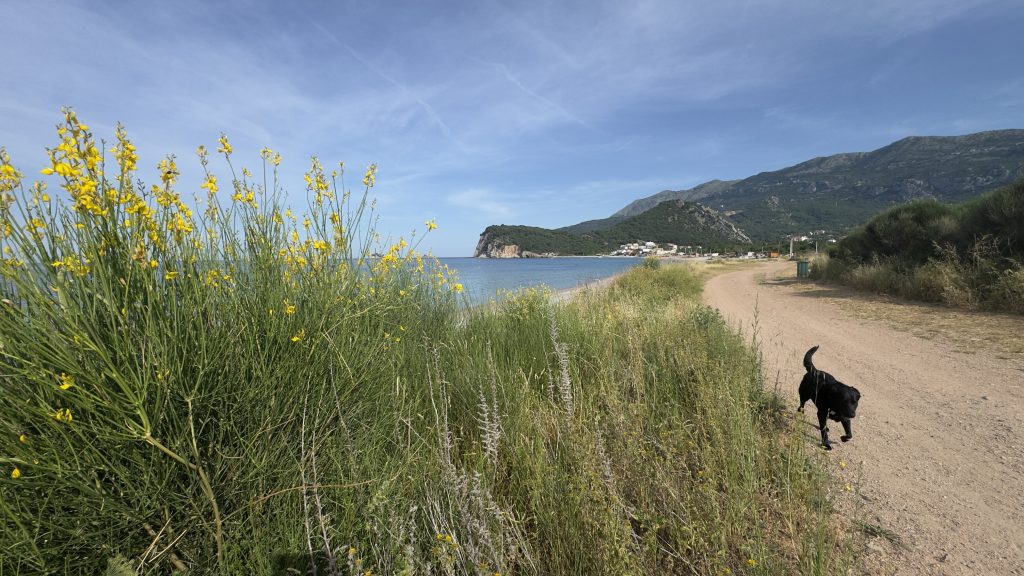
That rhythm matters more than I expected. Not schedules. Rhythm. Schedules describe intentions. Rhythm describes what daily life becomes once weather, fatigue, noise, heat, bureaucracy, and mood start interacting with one another. We feel it most clearly during transitions. A border crossing after several draining driving days lands differently than the same crossing approached rested and curious.
A mountain road can feel exhilarating one week and abrasive the next. Coastal heat pushes us outside early in the morning, then compresses the usable day into pockets of shade and sea breeze. Cities speed everything up. Remote places slow us down whether we intend them to or not. Even campsites develop their own cadence. Some generate constant movement and low-level over-stimulation from dawn onward. Others quieten naturally as evening arrives. In pine forests, conversations seem to slow alongside the light.
Sometimes we synchronise with places without noticing. We wake earlier because the mornings feel worth inhabiting. One of us wanders to the bakery while the other puts coffee on. We walk further without planning to. Familiar routes begin revealing intricate details we missed the first few times: birds moving through reeds, changing light on water, the smell of warm pine resin in the afternoon heat. Some places enlarge the day. Others steadily shrink it. And somewhere along the way, our own measures start changing too. Places we once might have rushed through now hold us for weeks. Others that once looked ideal now feel strangely over-constructed.
We notice ourselves becoming less interested in collecting locations and more interested in whether daily life deepens there. Comfort starts meaning something slightly different after a few months on the road. Not ease exactly. More a feeling that life and environment have stopped rubbing awkwardly against one another.
After a while, destinations themselves start mattering slightly less than the way movement, environment and daily life interact. Instead of asking whether somewhere is “good” or “bad,” we begin paying attention to what happens to us while we are there. Do we notice more or less? Does one walk naturally lead into another, or does the day slowly collapse inward around management and routine? Do we find ourselves lingering outside longer each evening, or retreating indoors earlier without really knowing why?
Long-term travel asks more from you than the romantic version usually admits. The visible part is easy enough to understand: driving, planning, shopping, laundry, emptying toilets, managing heat, finding water, solving problems when equipment fails.
The invisible part builds more quietly. Repeated transitions. Constant low-level decision making. Unfamiliar supermarkets where even buying yoghurt suddenly seems to require concentration. Noise at the wrong time of day. Poor sleep.
Then there are the smaller accumulations. The long detour because the road marked on the map narrows into something clearly not designed for a motorhome. The shop that closes ten minutes before you arrive. The campsite washing machine that stops halfway through a cycle for reasons known only to itself.
Some forms of effort still give something meaningful back. We have crawled along difficult mountain roads only to spend the evening beside cold rivers watching the light disappear from valley walls. Those days leave us physically tired but mentally enlarged. We talk more on those evenings. Slowly. As though the landscape itself has stretched the conversation out.
Other forms simply drain attention. Too many rules. Awkward layouts. Campsites where every movement feels managed. Places where walking anywhere useful means negotiating traffic, dust, or heat from the moment you step outside.
Motivation alone does not solve that. We have arrived in places excited, rested, and optimistic, then quietly watched all that energy disappear into management rather than engagement. The days become operational. We cook, refill, reorganise, cool the van, plan the next move, and suddenly realise evening has arrived without anything memorable happening.
Then the opposite happens somewhere else entirely. We stop for practical reasons — water, rest, proximity to a border — and end up staying because daily life opens outward without effort. One walk leads naturally into another. We stop checking the time so often. We notice more rather than less. Scylla usually notices first. She settles differently in those places. Sleeps more deeply. Watches instead of monitors. Finds shade, stretches out and relaxes into the day rather than simply coping with it.
Good planning helps, but not because it controls the journey. It helps because it creates enough space for unexpected things to emerge properly when they appear. A beach walk taken simply to avoid the afternoon heat becomes the highlight of the day. An overnight stop becomes a temporary home. A practical border town reveals warmth and character that never appeared in the guidebooks. That unpredictability keeps long-term travel alive.
Without reflection, though, the opposite can happen surprisingly quickly. Days blur together. Repetition disguises itself as routine. We stop noticing the environments moving around us because everything becomes operational. The journey continues, but attention quietly withdraws from it.