

A month on the road through France’s long memory
France isn’t one story; it’s a library.
And travelling from Roscoff down to Aix-en-Provence is like pulling volumes from every shelf — Celtic, monastic, Roman, medieval, revolutionary, wartime, artistic, all jostling for attention. We’ve crossed the country at a walking pace (motorhome speed counts), and the history has come at us in layers so dense it’s hard to know where one ends and the next begins.
What follows is our month-long drift through France’s cultural strata — the ones we walked, slept, photographed, and let Scylla sniff.
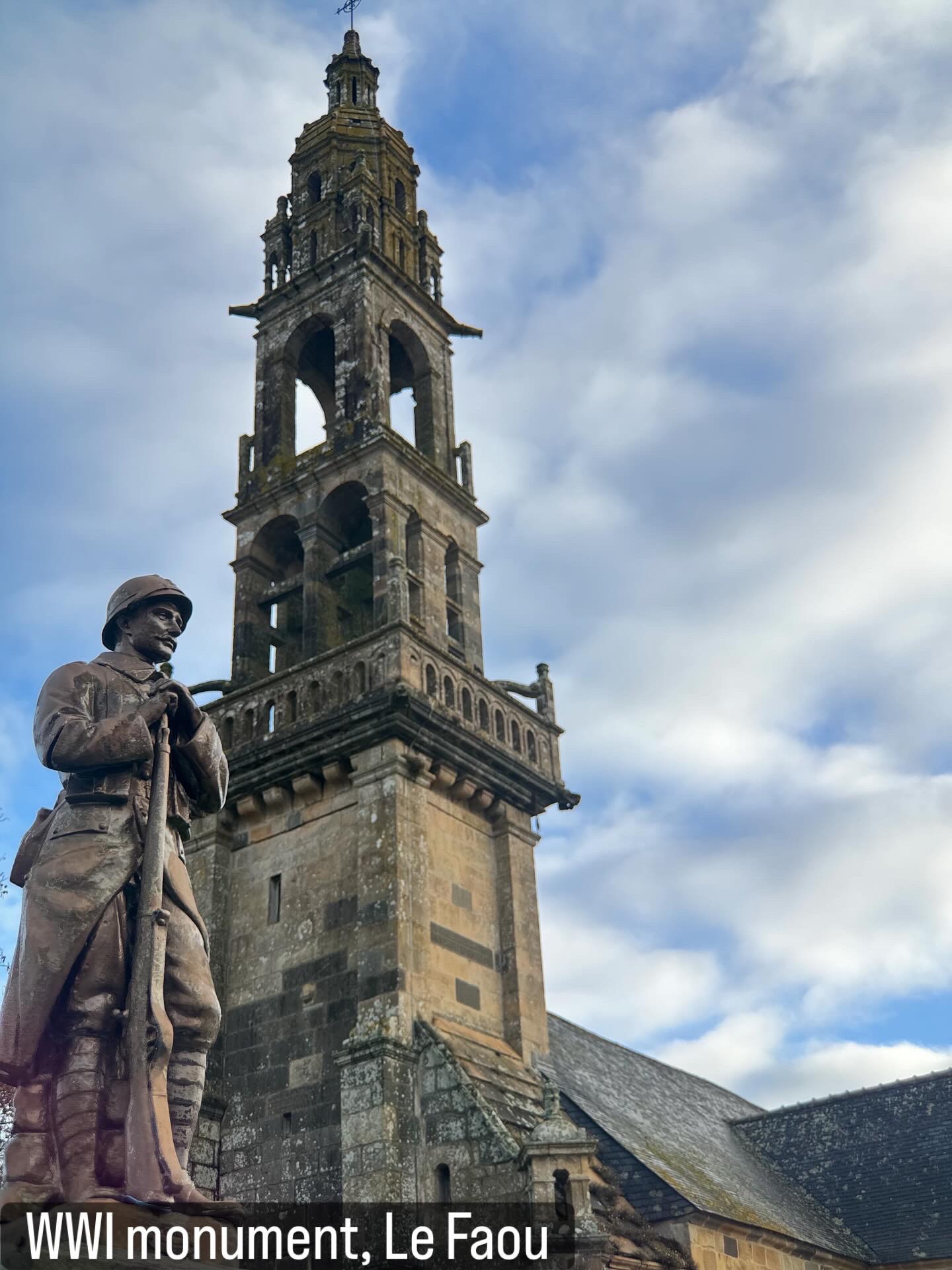
Roscoff: Where Brittany Writes Its Own Rules
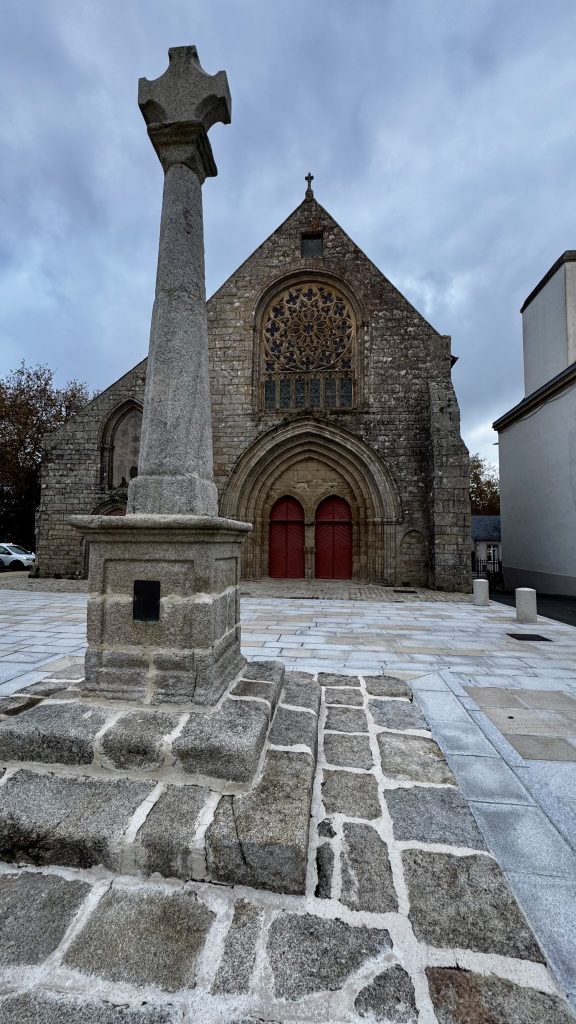
Roscoff greets you with the granite calm of old Brittany — Celtic roots, Breton language still alive, and a coastline built for sailors tougher than we’ll ever be. The town has been a smuggler’s haven, a religious refuge, and a trade port all at once.
You feel it in the old houses with external stair towers, in the chapel where Mary is “Mari”, and in the knowledge that Brittany was never fully tamed by Paris. A fitting start to a nomad journey — in a place that politely ignores uniformity.
Down the Spine of France: Abbeys, Rivers, and Quiet Power
From Brittany into the heart of France, the landscape shifts from coastal hardness to river-softened countryside.
This is monastic France — the backbone that held the country together when everything else was collapsing.
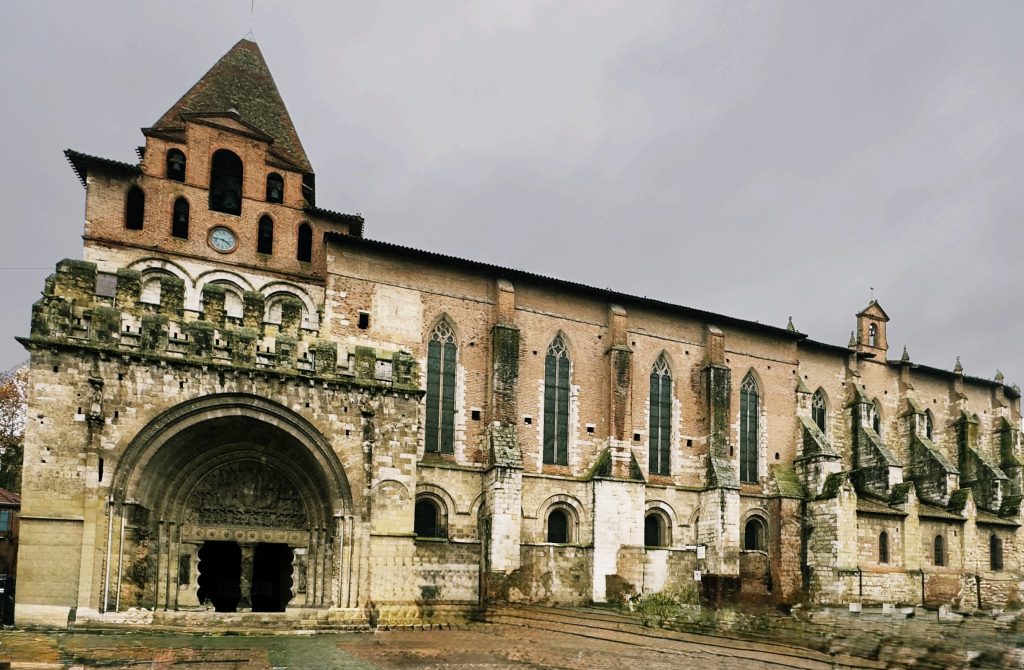
Moissac
The Abbaye Saint-Pierre is the kind of place that changes your heart rate. The Romanesque cloister is one of the finest in Europe — carved capitals telling biblical stories in stone, each figure shaped by monks who never imagined their work would still be standing 900 years later.
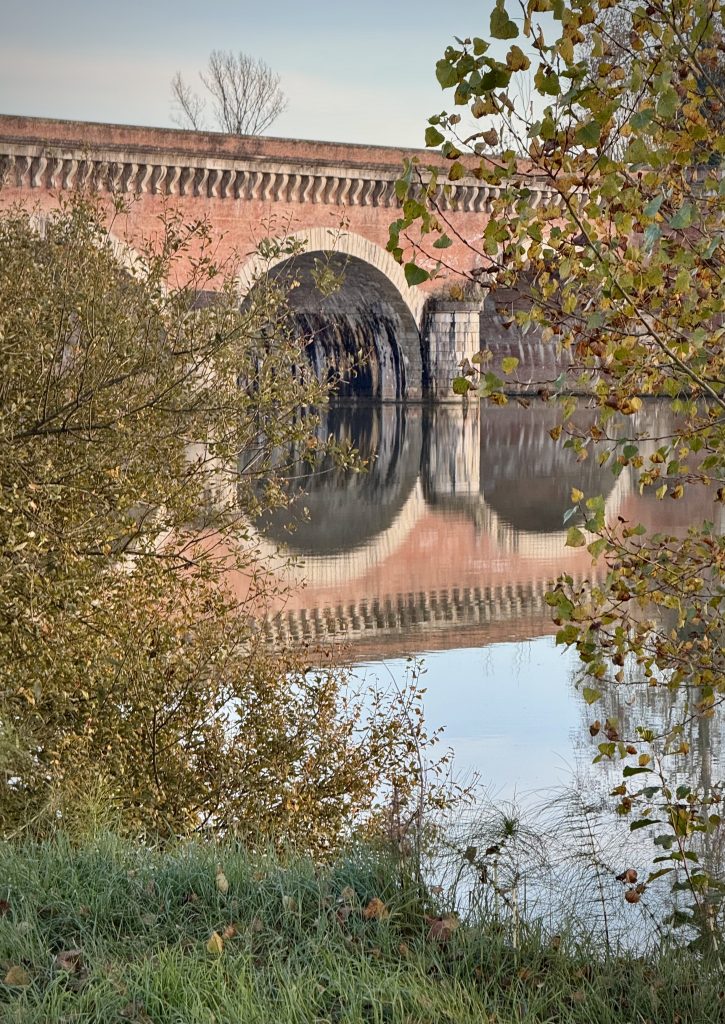
Outside town, the canal and rivers fold together in a peaceful geometry. Even Scylla felt it — that instinctive slowing down when you walk through a place built for silence and devotion.
Bizanet & Narbonne: Rome’s Ghost Stood Still
From monastic calm to Roman certainty.
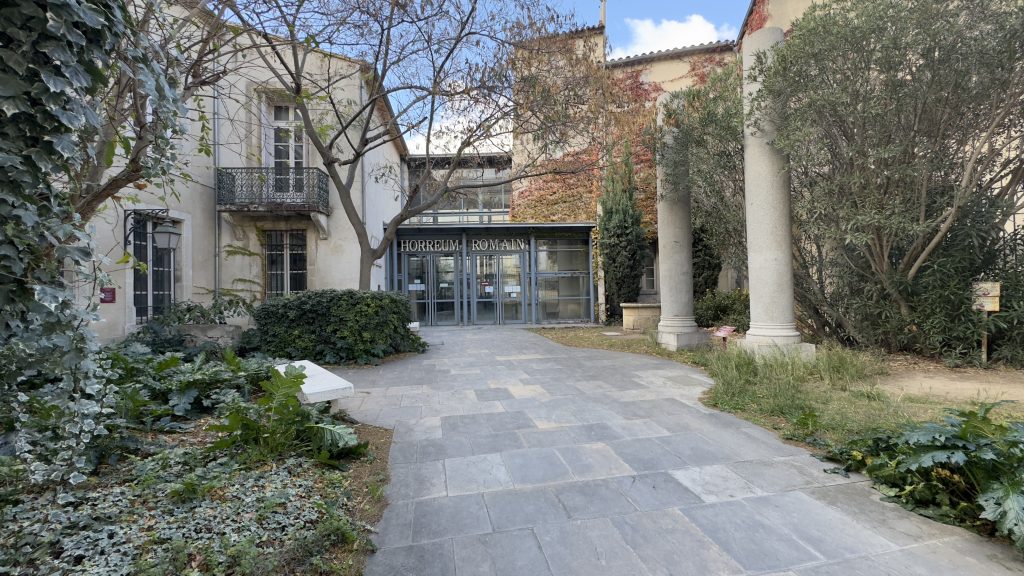
Narbonne was Rome’s first colony in Gaul, and the bones of the empire still hold the shape of the city.
You stand above the exposed Via Domitia and realise the road under your shoes is older than most countries.
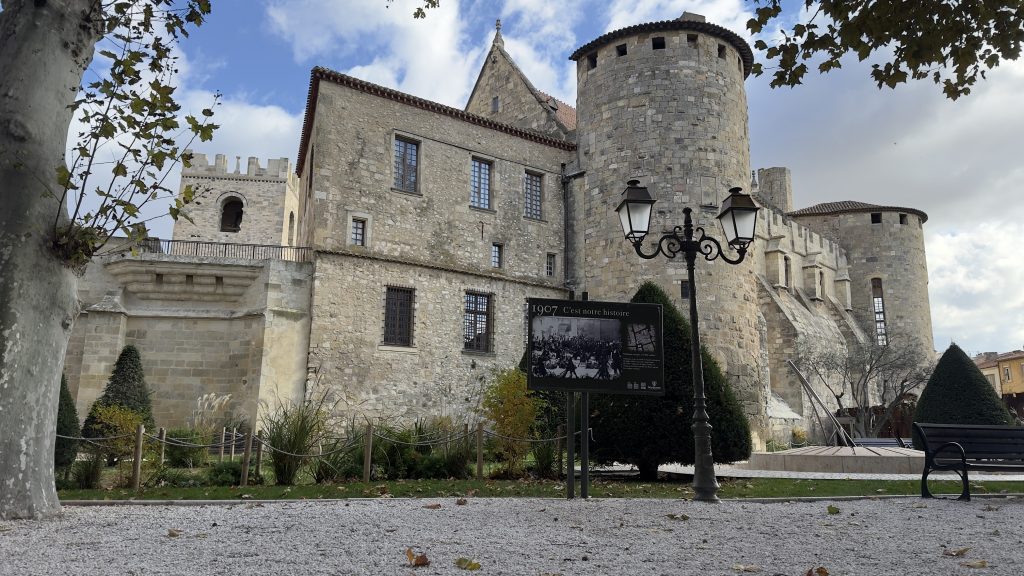
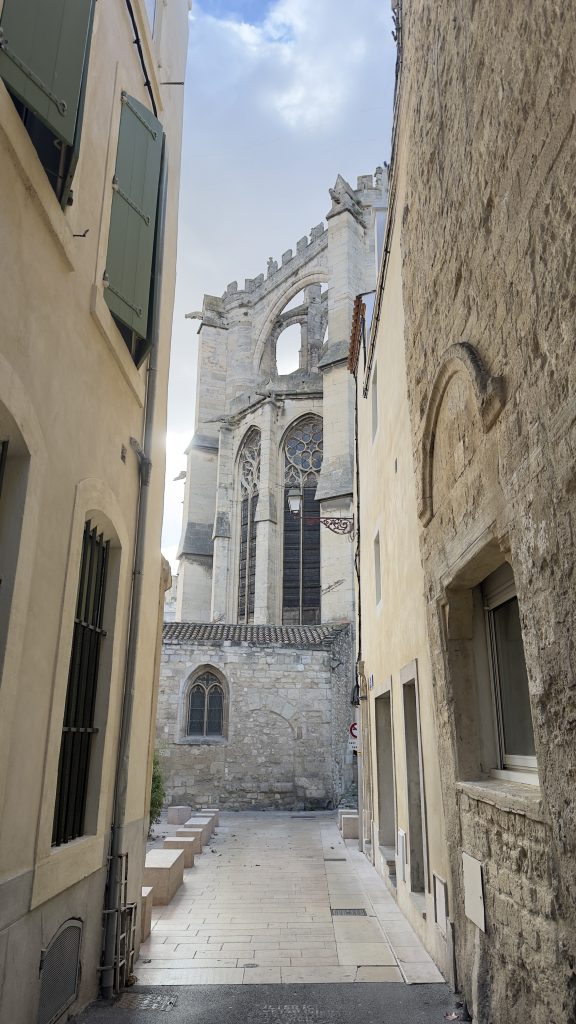
The cathedral reaches up like it’s in conversation with God, but the Roman grid still runs beneath, quiet and immutable.
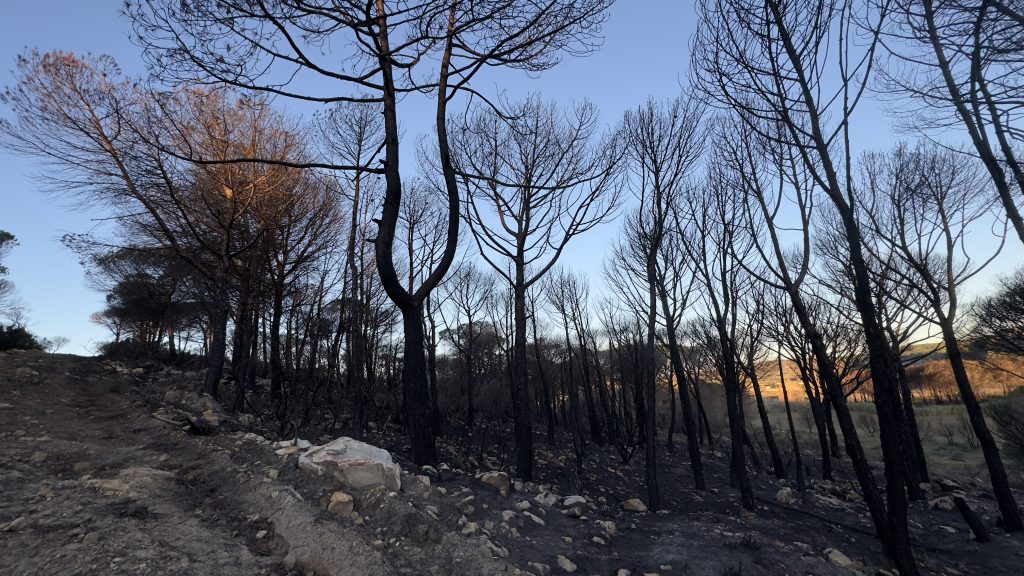
Bizanet’s 2025 Wildfire
Just outside, the wildfire scar is fresh — a blackened reminder that history is still being made, not all of it comfortable. The land has burned before; it will burn again; it will recover. This is Languedoc’s story in miniature.
Carcassonne: Medieval Theatre, Medieval Trauma
Nothing prepares you for the first sight of la cité.
From a distance it looks too perfect — a medieval film set that forgot to pack up. Up close, the restored walls give way to whispers of something older, rougher, and more dangerous.

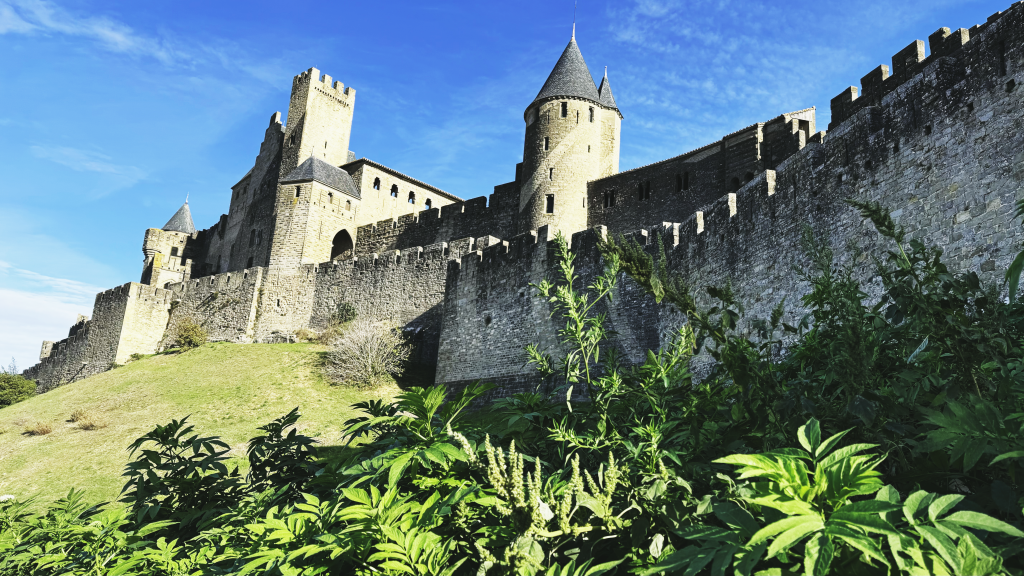
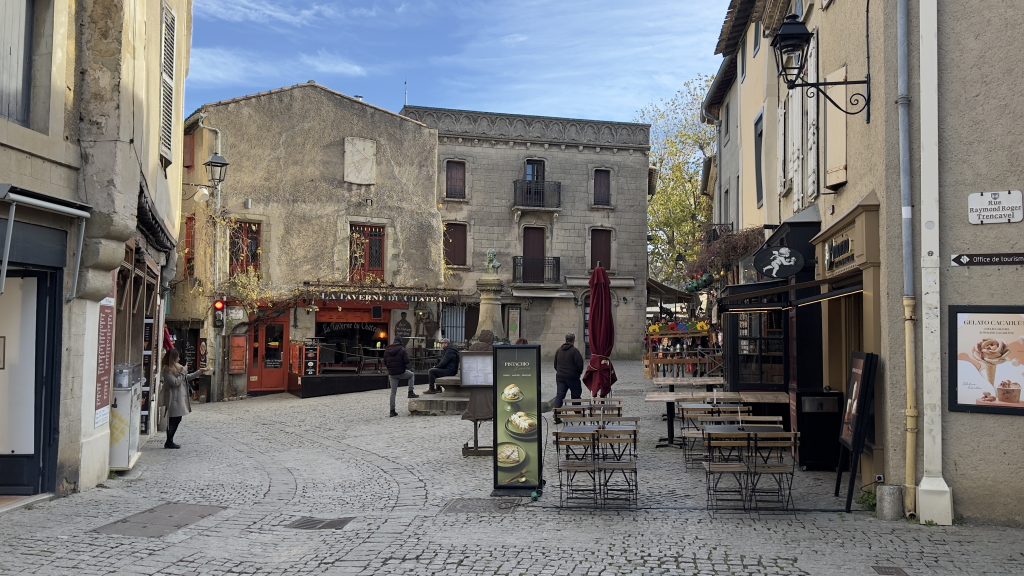
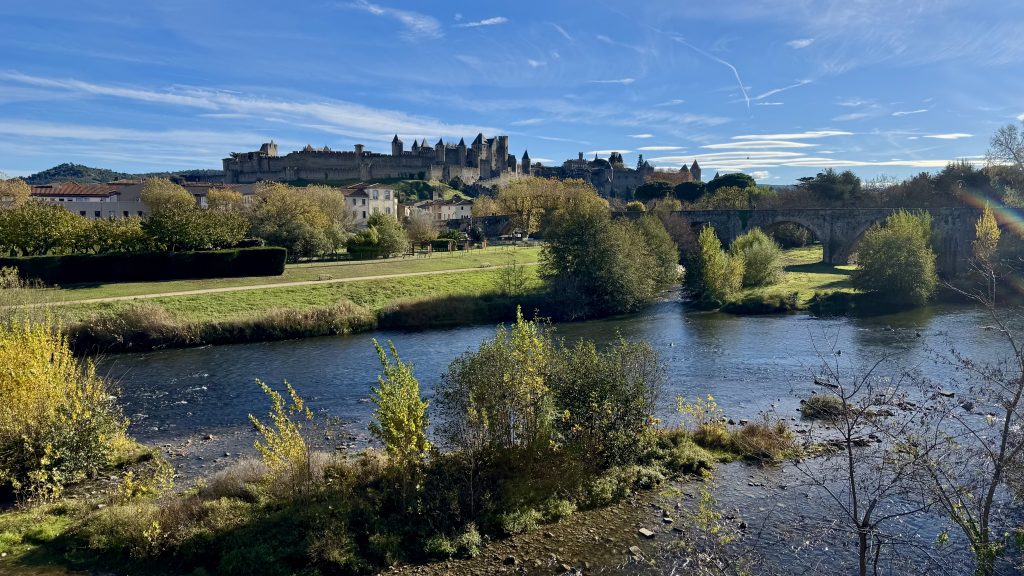
This was the stage for the Cathar tragedy — a moment when religious difference met political fear and sparked a crusade inside France itself. Carcassonne carries that story in its stones. Even walking the riverside with Scylla, you feel it: the tension between beauty and brutality.
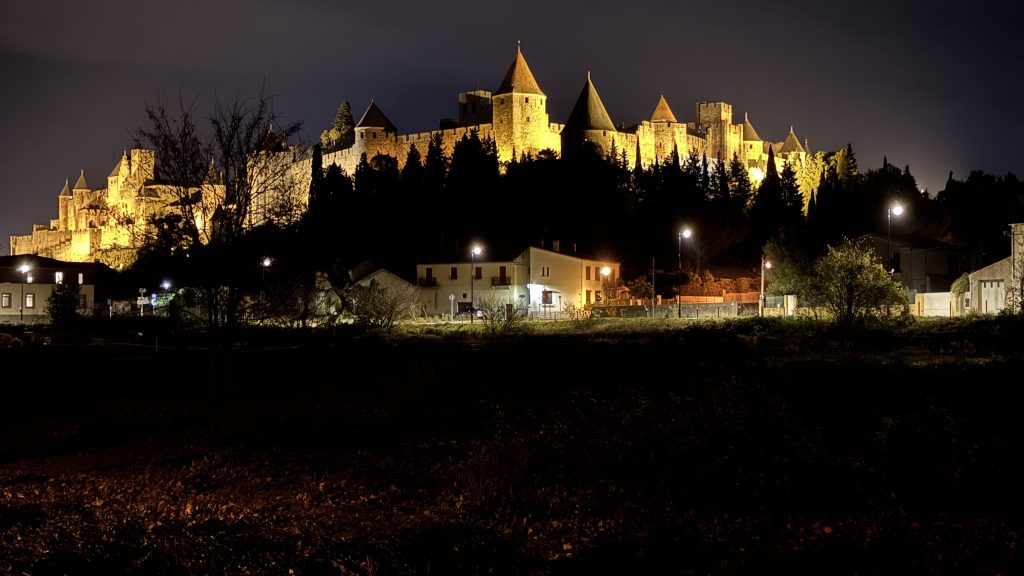
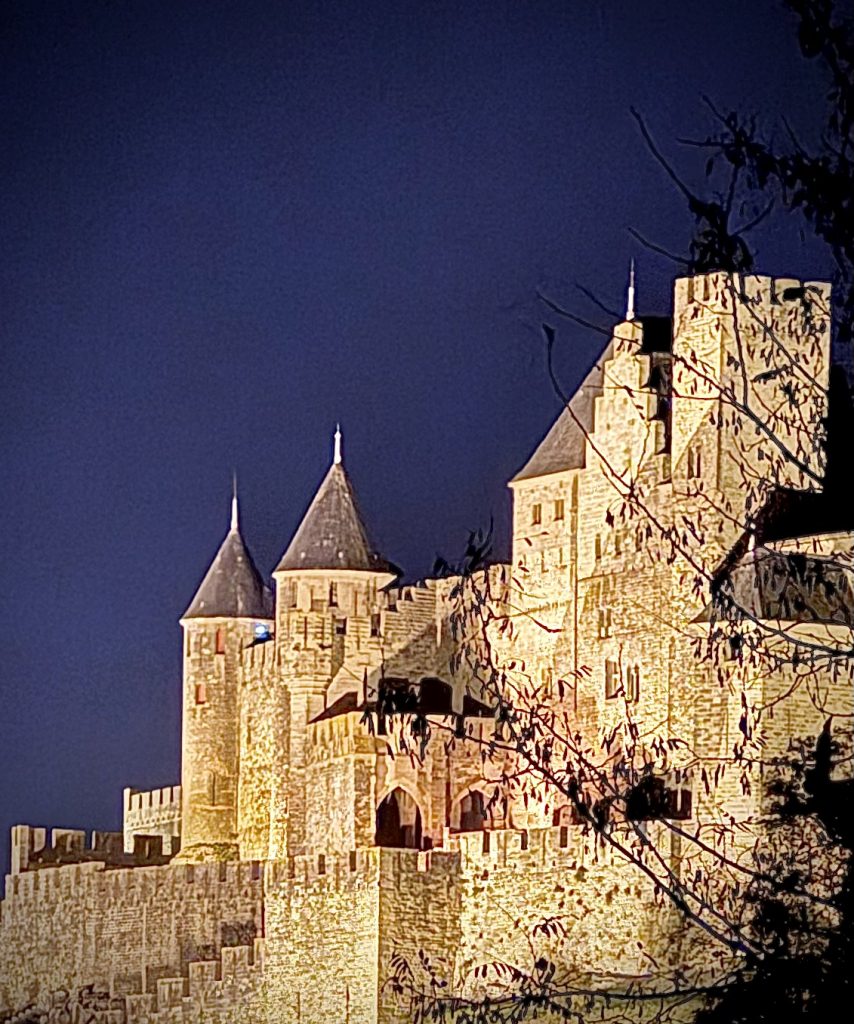
In the evening light, the old cité glows. History becomes less about dates and more about atmosphere — a medieval heartbeat you can still hear if you stand still.
Béziers: The Contradiction Capital
Béziers is sunshine on the surface and scars underneath.
A modern, lively city with a cheerful Christmas market — yet this was the site of the worst massacre of the Albigensian Crusade.
“Kill them all; God will know His own,” the papal legate supposedly said.
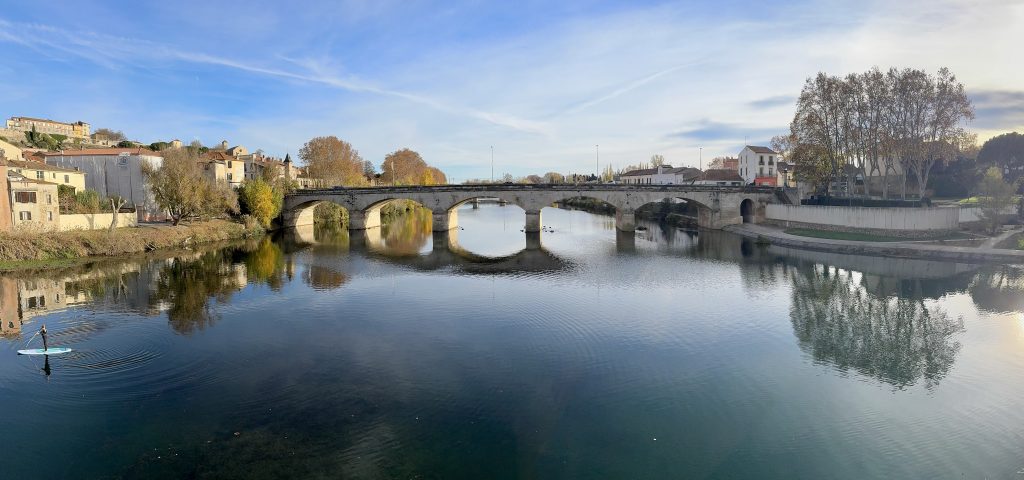
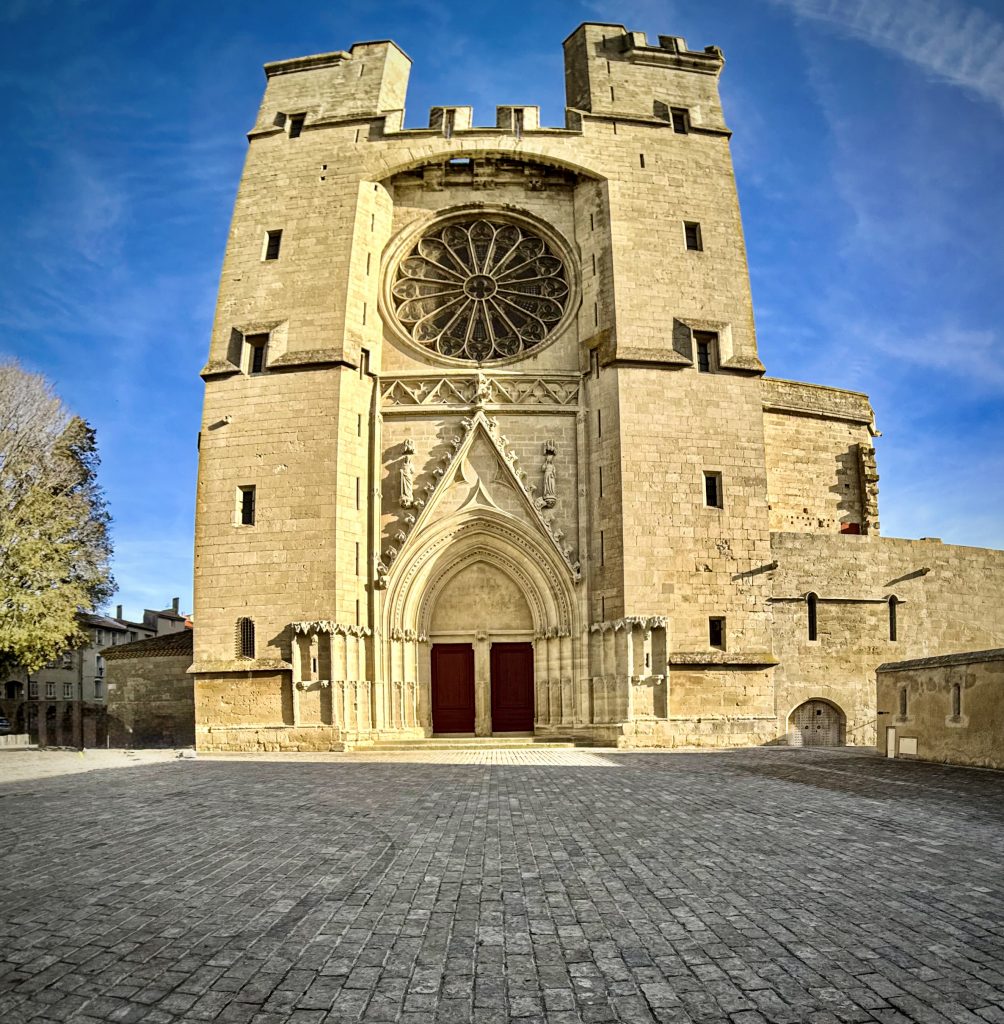
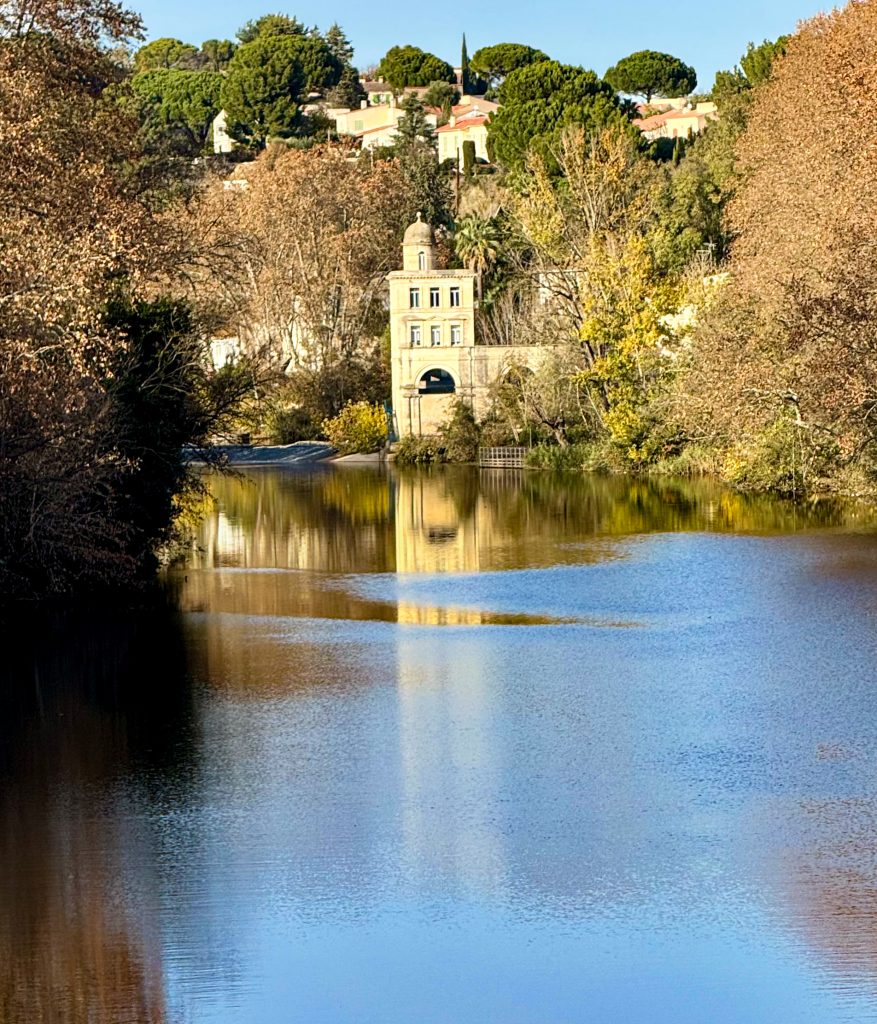
You walk those hills, cross the canal locks designed under Louis XIV, admire the river landscapes Scylla adored — and all the while, the legacy of 1209 shadows the streets.
It gives Béziers an edge.
A place that’s earned its charm the hard way.
Aix-en-Provence: Where Light Becomes a Language
Arriving in Aix feels like stepping into a different France entirely.
Here, history is less about siege lines and more about ideas.
This is Cézanne’s city — and Mont Sainte-Victoire looms like a granite signature on the skyline. After the dark stone of the medieval south, the light in Aix is almost shocking: crisp, architectural, the sort of light artists chase for a lifetime.
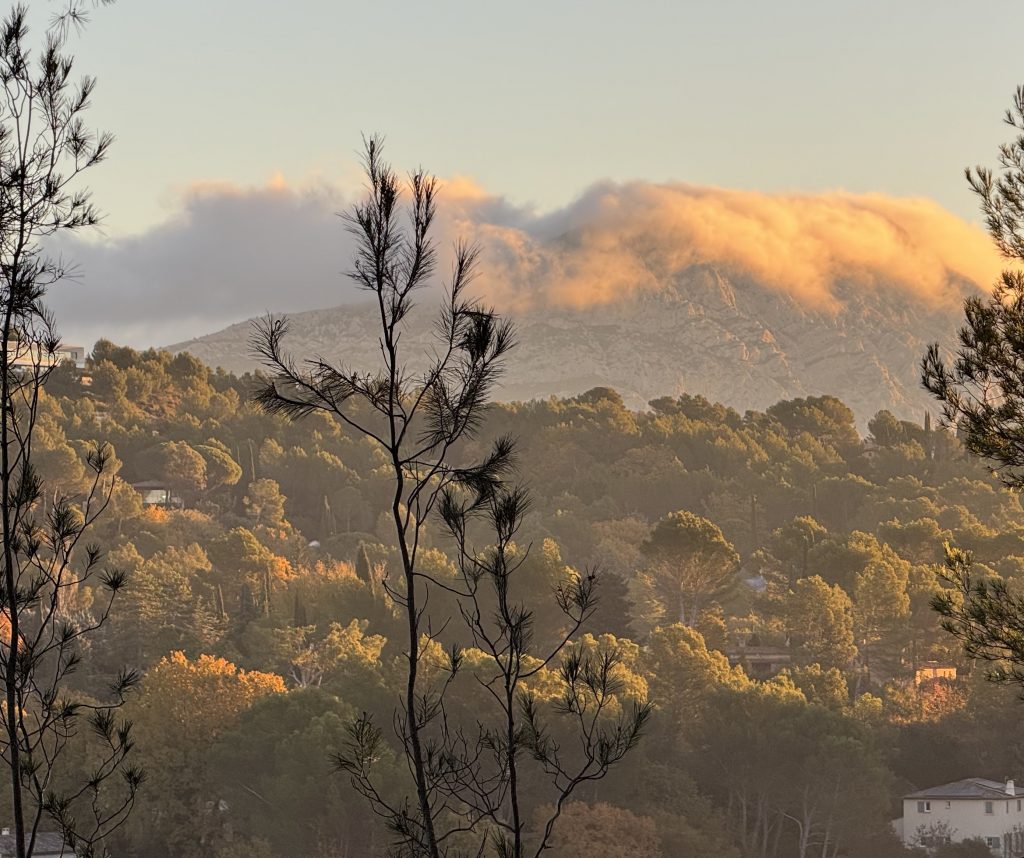
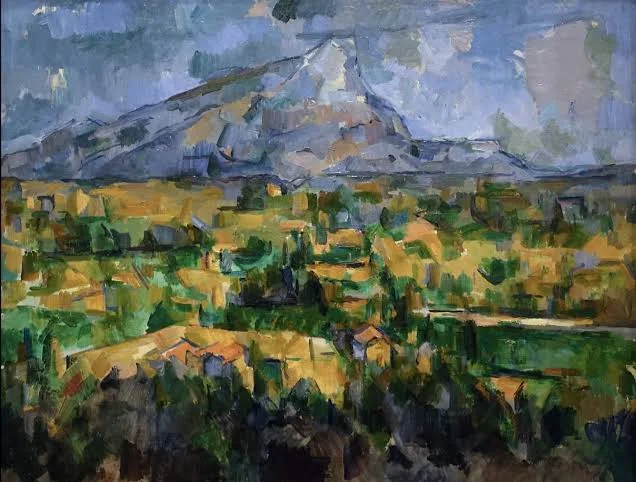
Aix is also layered with WWII memory — plaques marking Resistance members, families deported, and the gritty underside of a place that otherwise seems effortlessly elegant.
It’s a city that teaches history through beauty rather than tragedy.
Crossing France One Time Period at a Time
What ties the route together isn’t a theme so much as a feeling:
that history here isn’t something you look at — it’s something you move through.
- Roscoff’s Celtic stubbornness.
- Moissac’s monastic serenity.
- Narbonne’s Roman logic.
- Carcassonne’s medieval fury.
- Béziers’ scarred resilience.
- Aix’s artistic and intellectual glow.
And threaded through it all:
two humans and a Labrador navigating modern nomad life, photographing cloisters, cooking dinner in the shadow of fortified cities, and occasionally having their historical reflections interrupted by a dog who’s spotted a pigeon.
This is what travel is for — not ticking things off, but feeling the weight of a country through your feet, wheels, lenses, and stories.

Hi Vincent and Pepp , Thank you for your company, we wish you a good trip. Regards, Claudio and Ellen. My email address is langc@online.de