
What France quietly taught us about food, rhythm, and belonging
When we arrived in France, we didn’t set out to embrace baguette culture. We didn’t even notice it at first. Like most visitors, we thought of the baguette as background noise — something you buy, tear, butter, and forget.
It turns out we were wrong on all counts.
Over the course of our two-month French leg, the baguette stopped being an object and became a tempo. It shaped our days, our walks, even our sense of place. And only once we were properly inside it did we realise we were brushing up against something much deeper in the French psyche.
More than bread
The baguette isn’t just a foodstuff. It’s a daily contract between people and place.
Unlike packaged bread cultures, the baguette assumes presence. You don’t stockpile it. You go out for it. Sometimes more than once a day. Morning baguettes are light, crisp, almost eager. Evening bakes are darker, deeper, built for tearing and soup and cheese. These aren’t accidents; they’re responses to how the bread will be eaten, and when.
That small distinction — morning versus evening — says a lot about France. It’s a culture that still expects people to be out in the world, moving through it, noticing it.
The walk is part of the meal
We started to see it everywhere: people walking to the boulangerie not as an errand, but as a ritual loop. Out and back. A pause in the day. A reason to move.
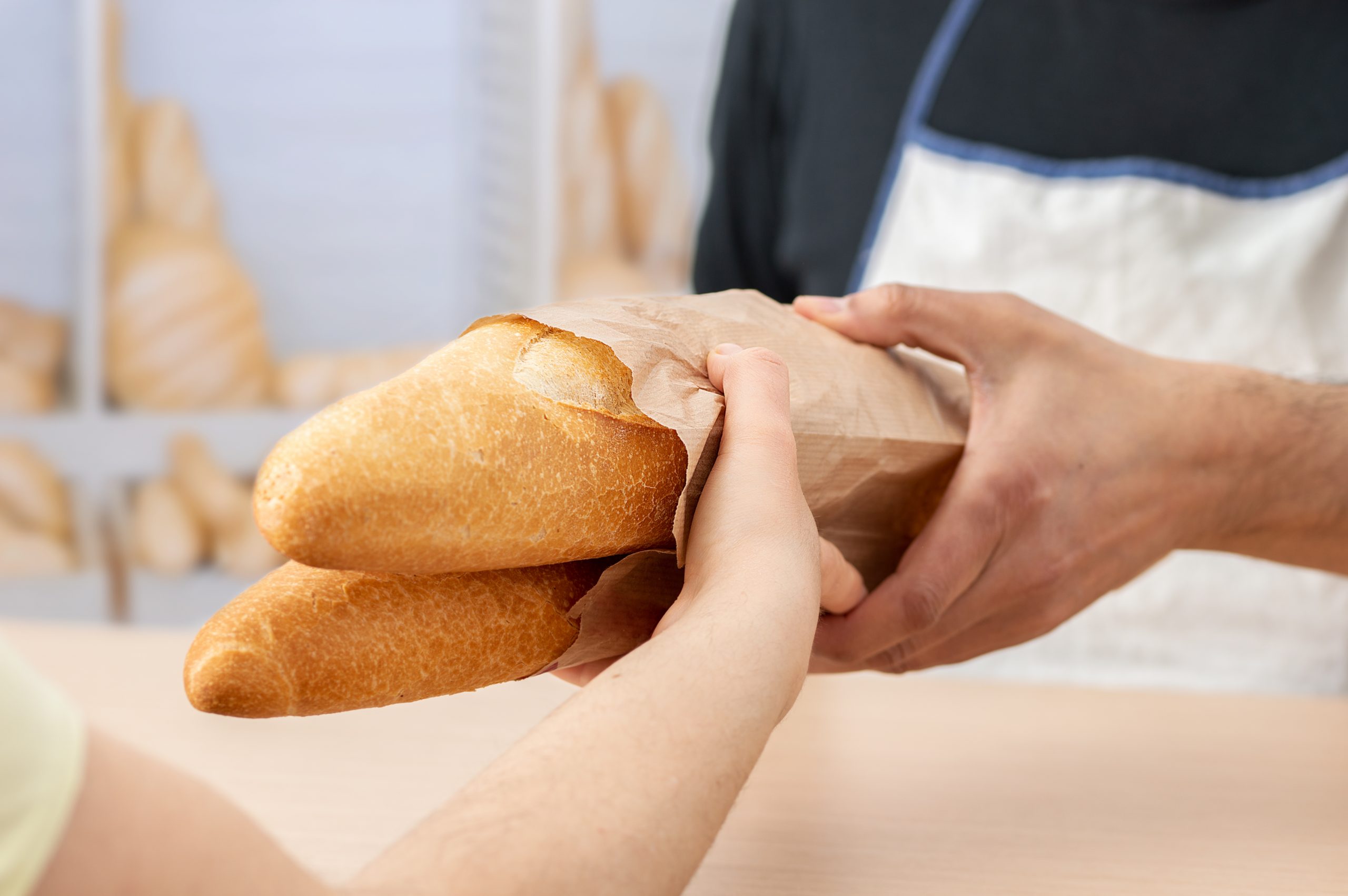
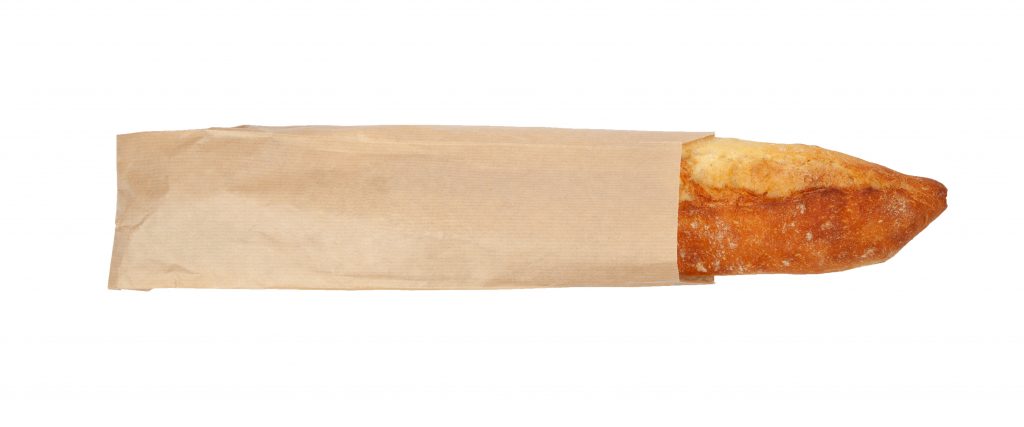
The baguette is famously long and awkward to carry. It sticks out of bags, tucks under arms, announces itself. That, too, feels deliberate. You’re meant to be seen with it. It’s not hidden, not optimised, not discreet.
In France, food still occupies public space without apology; and not just bread – carrots, celery and leeks all sold with their foliage attached.
Equality in flour and water
There’s also something quietly democratic about the baguette. By law, the baguette de tradition contains just flour, water, yeast, and salt. No additives. No shortcuts. No industrial sleight of hand.
Everyone gets the same starting point. What varies is the baker’s hand, the oven, the timing. Skill matters. Attention matters. But the product remains recognisable and shared.
That consistency builds trust — not just in the bread, but in the system that produces it.
How it crept into our rhythm
Somewhere along the way, we stopped planning meals around recipes and started planning them around bread moments.
An end with butter, ham, and cheese for breakfast.
A wedge as an integral part of the evening meal.
Sometimes just cheese, knife, board, no ceremony.
The baguette became a companion rather than a centrepiece — always there, never demanding attention, quietly reliable.
And that’s when it clicked: the baguette isn’t indulgent food. It’s infrastructure.
Why we hadn’t noticed before
Modern life trains us to think in efficiency. Buy once. Store. Optimise. France resists that instinct through habit rather than ideology.
The baguette forces repetition. It resists hoarding. It insists on freshness and proximity. It nudges you back into daily engagement with your surroundings — baker, street, neighbours, weather.
You don’t just eat the baguette.
You live around it.
A gentle goodbye
Now, as we prepare to leave France, we’re aware that this rhythm is ending. Italy will offer its own patterns — focaccia that appears warm and oily mid-morning, pasta as the backbone rather than the side, olive oil replacing butter as the default punctuation.
Italy’s food culture is no less rich, but it’s different in tone: more ingredient-led, more regional, less ritualised around a single daily object.
The baguette doesn’t really have an Italian equivalent. And perhaps that’s the point.
France gave us a lesson in structure and cadence — how something as simple as bread can quietly organise a life. Italy, we suspect, will teach us something else entirely.
But for now, this feels like the right moment to acknowledge what we didn’t know we were learning.
We didn’t come to France for the baguette.
We left understanding why it matters.