
For UK travellers, Schengen is no longer a backdrop but a clock: access is limited to 90 days in any rolling 180, after which you must leave the zone entirely before time begins to replenish. It’s a simple rule with far-reaching consequences.
Schengen is usually described in abstract terms: borders removed, freedom of movement, seamless travel across Europe. All of that is technically true. What’s less often discussed is what it feels like to live inside Schengen as a constraint rather than a convenience.
For ninety days, it became the invisible framework around everything we did.
Not an obstacle. Not an enemy. Just a fixed parameter that quietly shaped route, pace, and decision-making in ways that only became obvious once we were close to the limit.
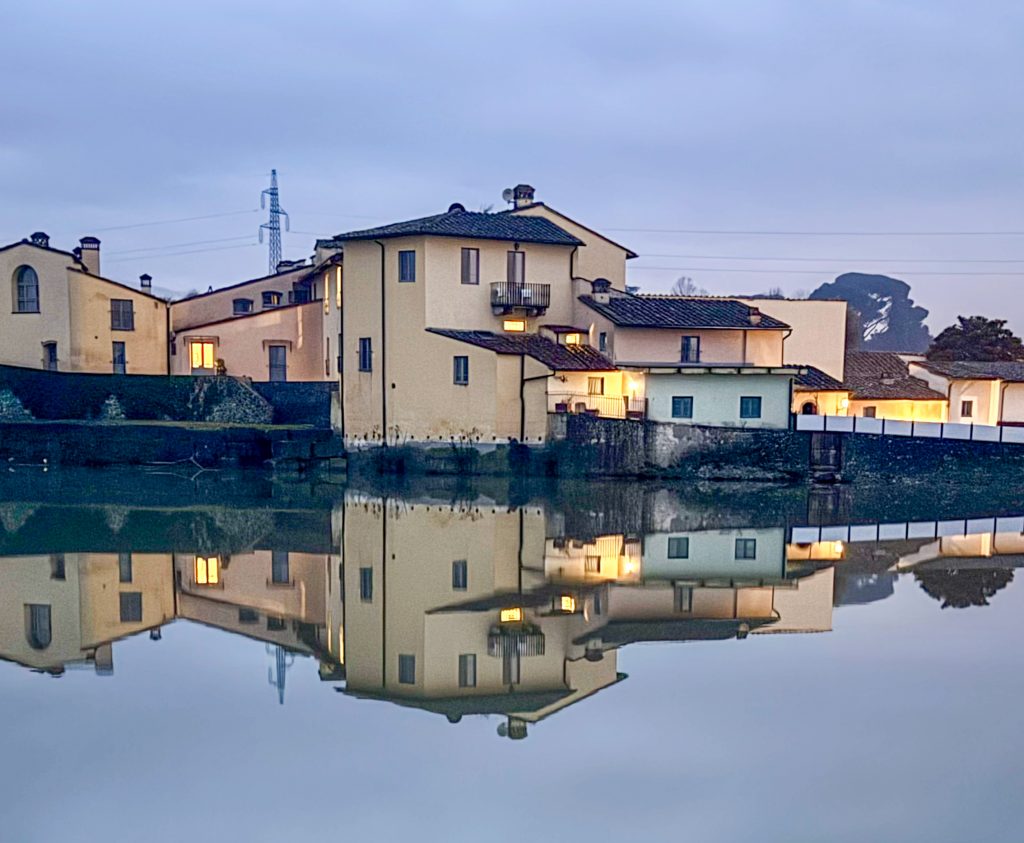
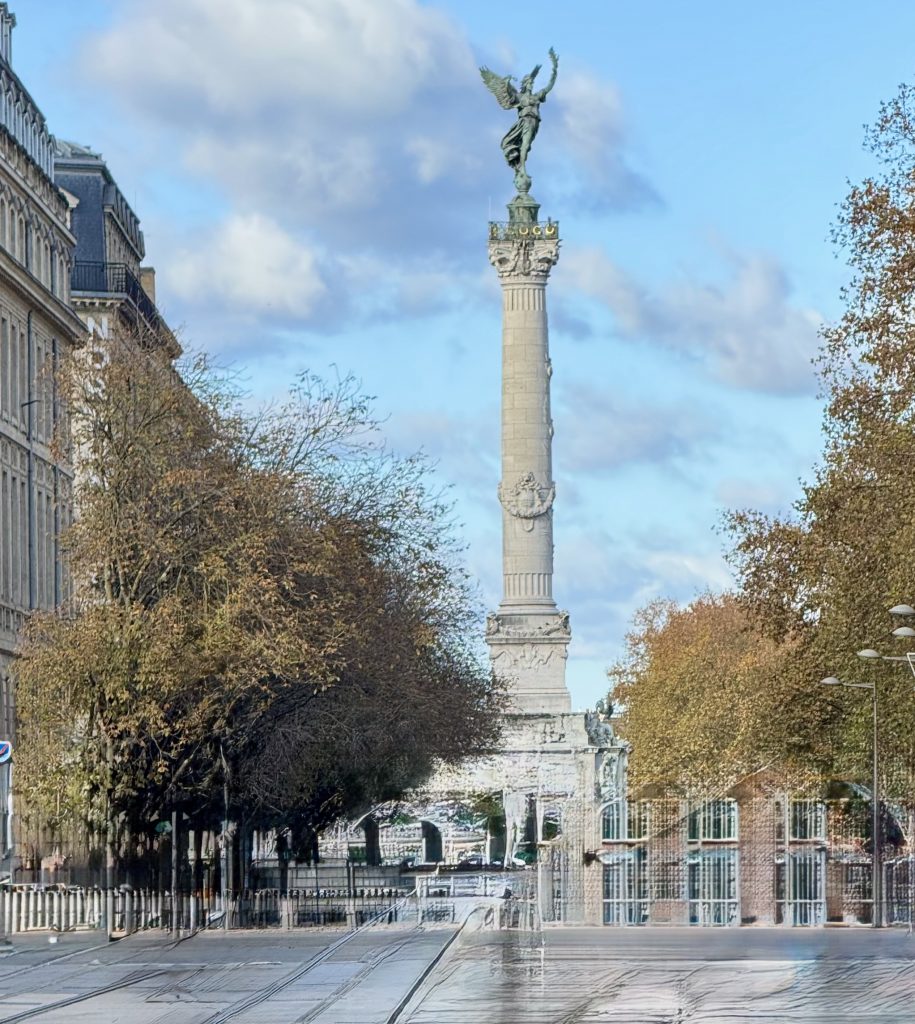
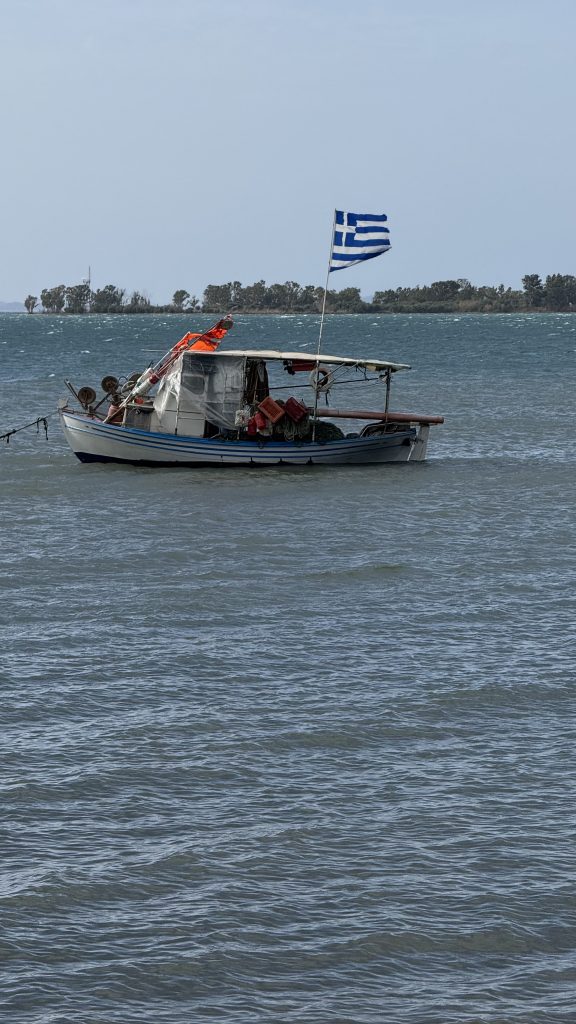
At first, it felt generous. France unfolded easily. Italy felt expansive. Greece still carried the glow of arrival. Days passed without friction. The idea of counting them seemed faintly absurd.

But systems reveal themselves over time.
Schengen doesn’t intrude daily. It doesn’t nag or interrupt. It waits. And because it waits, you end up doing the work on its behalf — counting, projecting, backtracking mentally. Not constantly, but persistently enough to change how you think.
Where you go next starts to matter differently. A detour isn’t just scenic; it has a cost. A pause isn’t simply rest; it consumes something finite. You stop asking “where would we like to be?” and start asking “where does it make sense to be now?”
That shift is subtle, but it’s decisive.
The paradox of Schengen is that movement is easy, but staying becomes strategic. You’re free to roam, but only within a mental envelope that shrinks with each passing day. Nothing dramatic happens when a day is used. Nothing happens when one drops off either. But the arithmetic never entirely leaves you alone.
What surprised me wasn’t the administration — that was manageable — but the cognitive load. The sense of running a background calculation alongside ordinary life. It’s not stressful in the conventional sense. It’s more like carrying a small weight in a pocket you can’t put down.
It also shapes pace.
We moved more deliberately than we otherwise might have. Fewer long stops. Fewer impulsive lingerings. The rhythm became one of measured progress rather than exploration for its own sake. That wasn’t worse — in some ways it sharpened attention — but it was different.
And difference accumulates.
By the time we approached the edge of our allowance, Schengen had become less an idea and more a presence. Not oppressive, but insistent. We weren’t rushing, but we were aware of finishing. The language shifted from “we could” to “we will”.
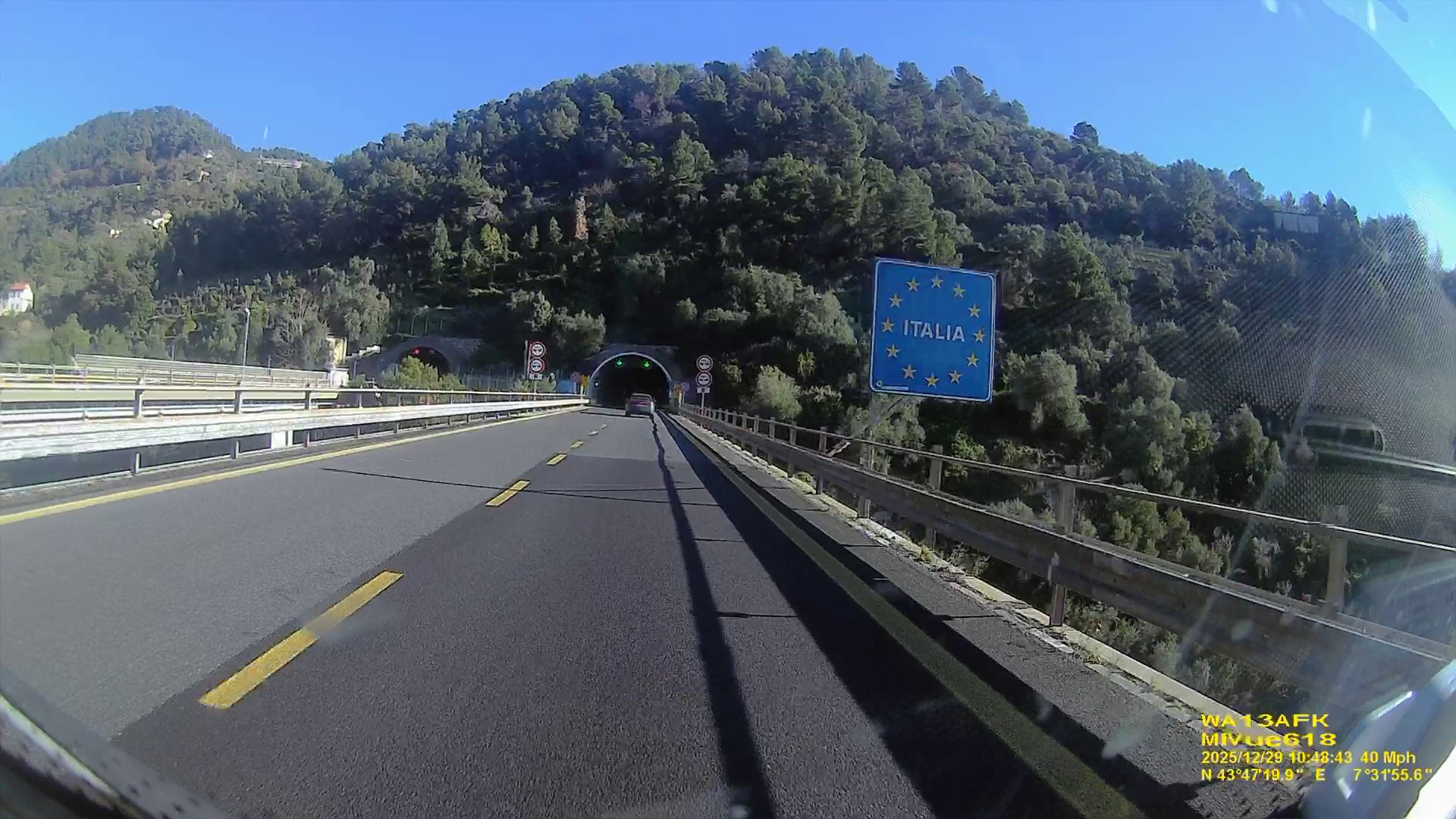
Exiting the zone wasn’t a dramatic moment. No ceremony. No sense of escape. Just a practical transition into a different administrative reality. But the relief was real, and it arrived quietly: the calculations stopped. The mental horizon widened again.
Only then did it become clear how much space Schengen had been occupying in our thinking.
This isn’t a criticism of the system. Nor is it a warning. Schengen does exactly what it says it does. It creates order, predictability, and fairness across a vast area. But living within it, rather than passing through it, turns it into something else — a kind of scaffolding around your time.
What it taught me, more than anything, was how powerfully invisible constraints shape behaviour. Not through force, but through gentle, persistent accounting.
Ninety days is ample time to travel well. It’s enough to see, to learn, to enjoy. But it isn’t infinite, and pretending it is changes how you experience it.
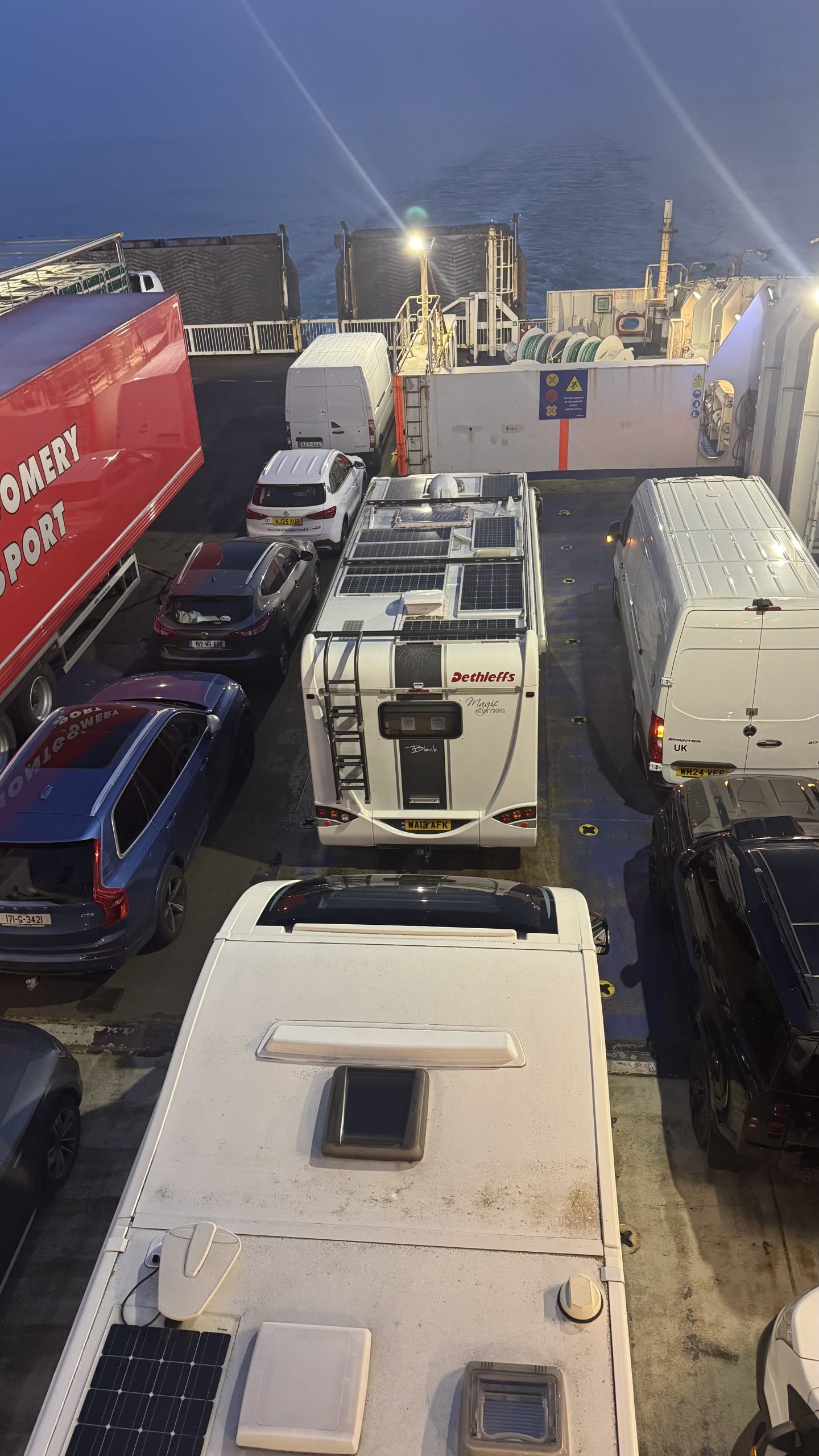
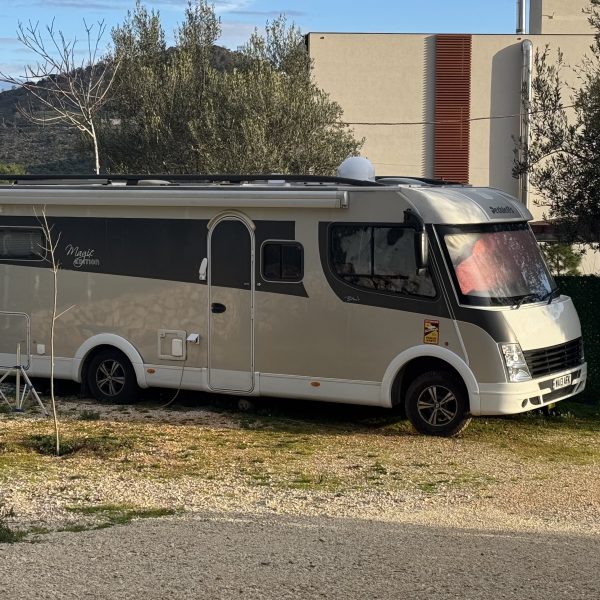
When we crossed out of Schengen, nothing else changed immediately. The road looked the same. The motorhome felt the same. We were the same people.
But the mental map loosened.
And that, more than any stamp or signpost, marked the end of that leg of the journey.