
The first in a three-part series looking at how taking a systems thinking approach has helped us thrive on our third life journey
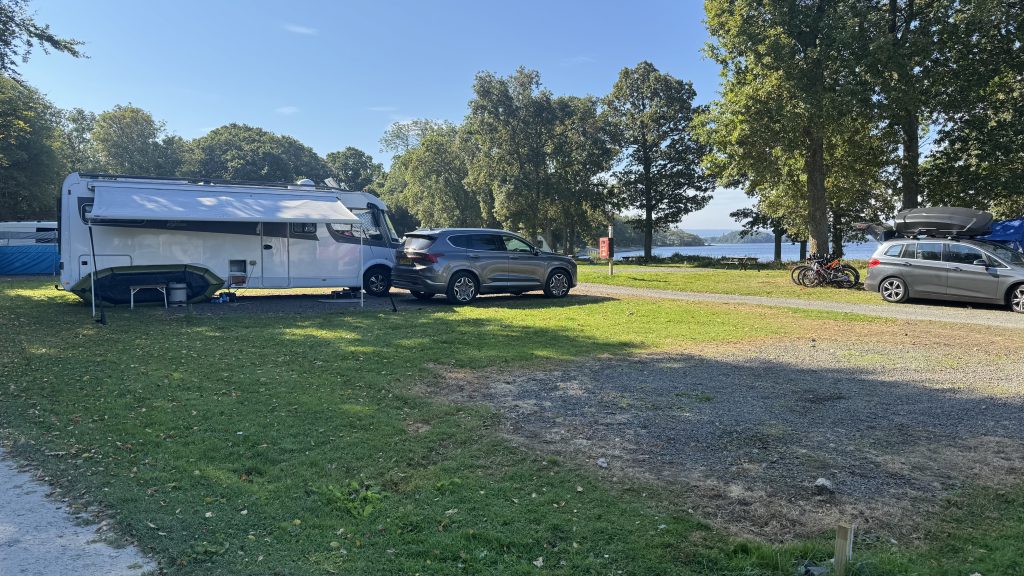
Life on the road isn’t just about where we park up or which view we open the blinds to. It’s held together by systems. Some obvious — power, water, heating. Others quieter — routines, rhythms, the way we decide what matters and what doesn’t. Together, they make the difference between scraping by and living well.
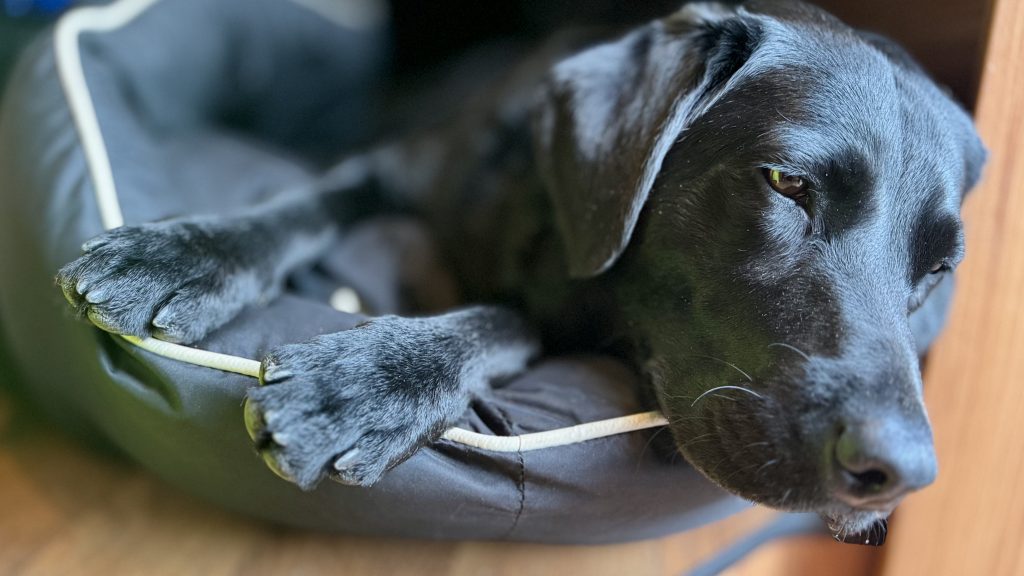
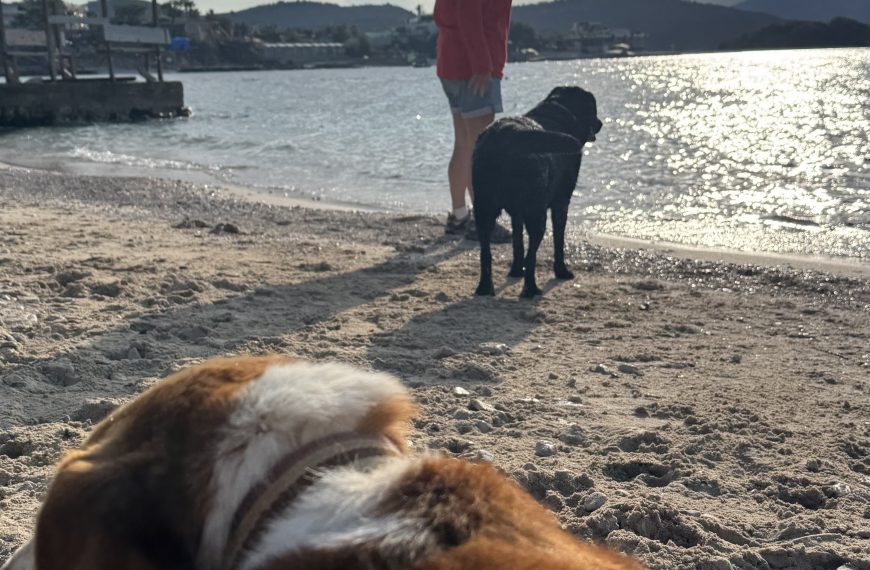
When I say “system,” I don’t mean something abstract out of a textbook. I mean the way things connect. The fridge runs because the solar panels caught the sun. Scylla gets her morning walk because we’ve shaped a day that balances her needs with ours. We feel free because the small, unseen routines are working in the background.
Systems thinking, at heart, is noticing those connections. You can’t tug one thread without the whole thing moving. Miss a water refill and suddenly the cooking, the shower, even the dog bowl all feel it. Manage energy well and there’s light for reading, power for cooking a roast dinner, and enough left to enjoy an oat latte when the wind’s hammering the van.
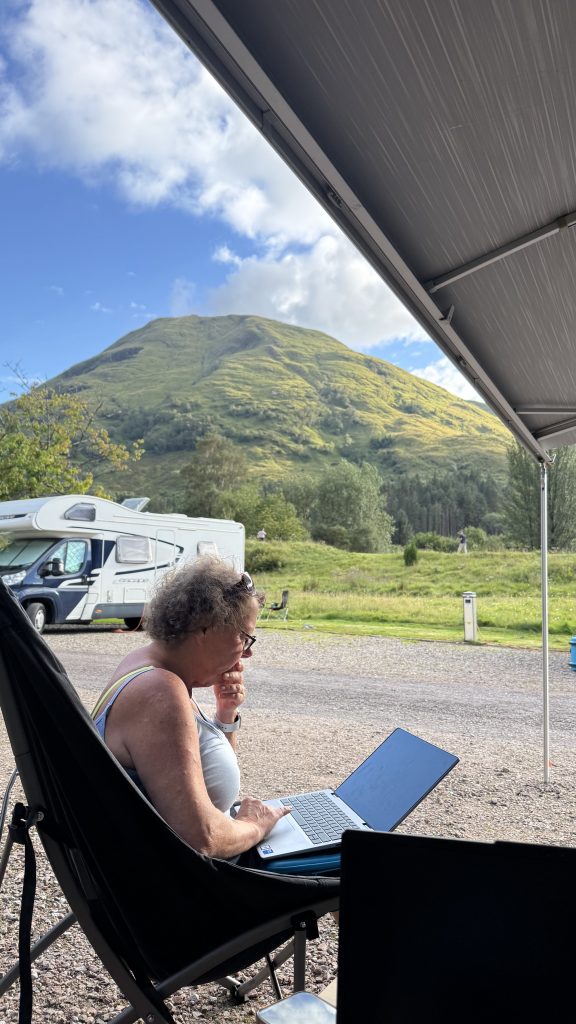
On the road
I’ve spent a working life in organisations, where systems were often tangled and heavy with complexity.
On the road they show up differently. Cleaner, sharper. If we manage them well, they give us independence. They give us choice. They let us sit on a remote beach or a forest edge and know we can stay — not rush off hunting for a site hook-up.
The same applies to the less visible systems. How we decide when to move on, how we share space inside a motorhome, how we settle into daily rituals. These are systems too. Ignore them and the whole trip frays. Honour them and everything flows easily. A tidy kitchen, fresh water in the tank, a check on the weather before we set off — none of it grand, all of it essential.
It’s easy to think of travel as freedom, and it is. But the paradox is that freedom only holds if the systems behind it work. When they do, they almost disappear. You don’t think about the fridge or the batteries or the morning routines — you just live. When they don’t, you can’t think about much else.
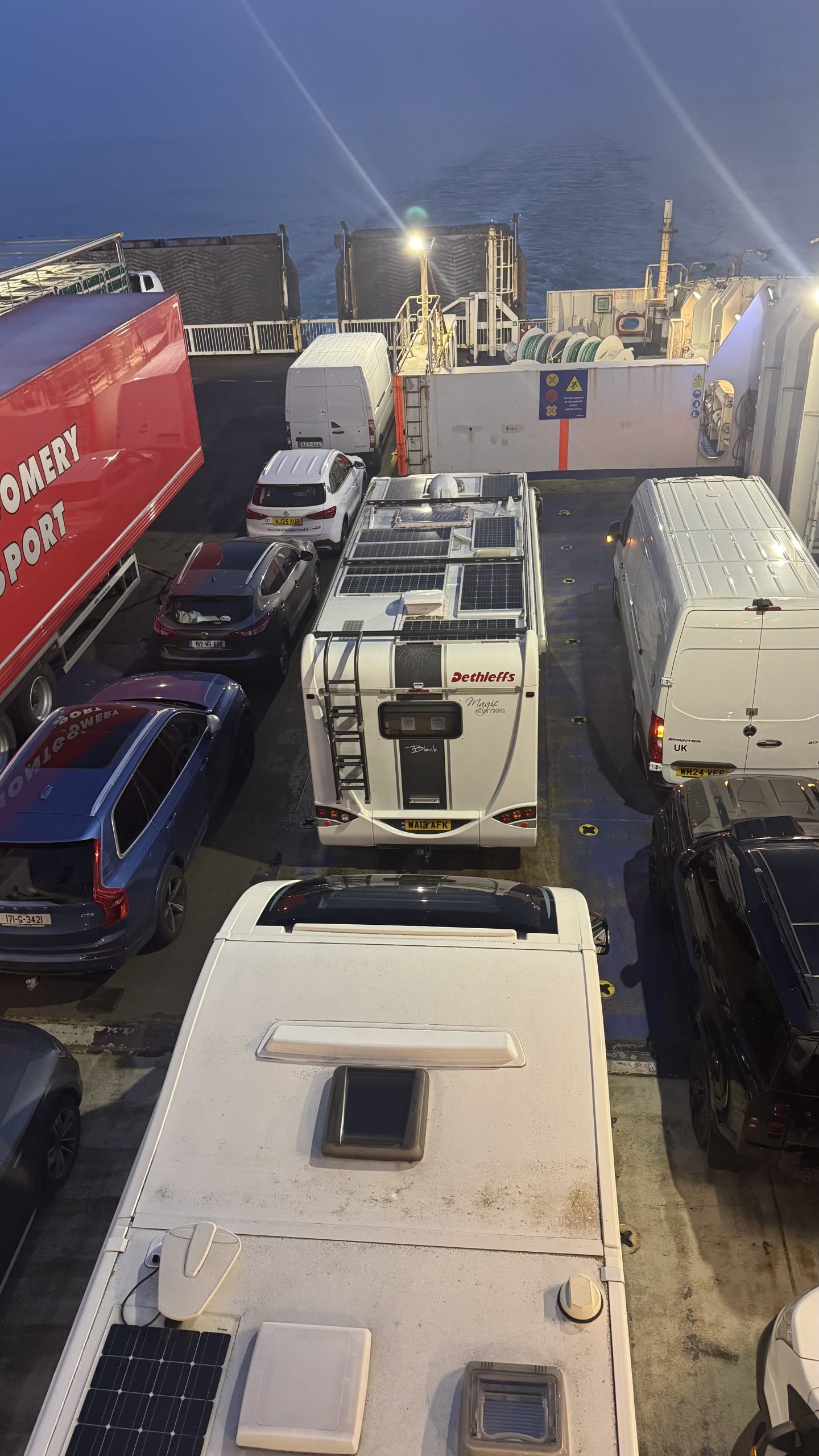
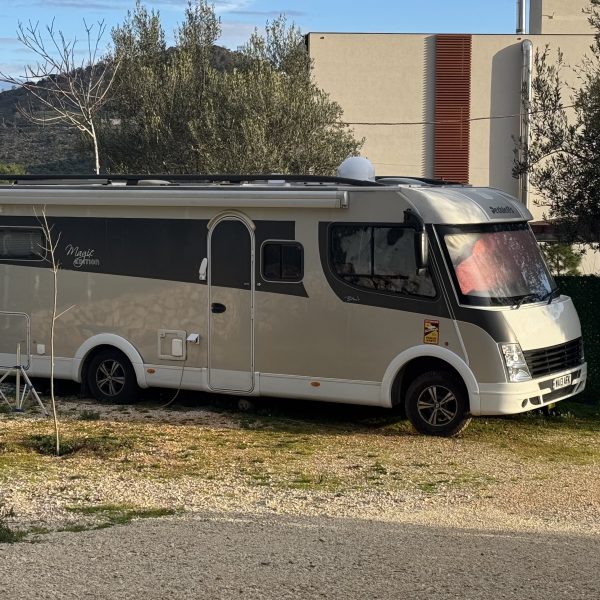
This series isn’t about kit lists or instruction manuals. It’s about the bigger picture: how systems, seen or unseen, carry us forward on this nomadic journey. Our motorhome is the clearest example. It’s both motor and home. The “motor” carries the mechanics — engine, suspension, electrics — all the things that keep us moving. The “home” holds the habitation: power, water, gas, cooking, sleeping, connection, and the small comforts that make life more than survival.
Next time…
In Part Two I’ll dig into the practical side — the power, the water, the ways we stay off-grid. For now, the point is simpler. Life after childhood and work depends on its own set of systems. Ours let us go on an adventure, to explore, to enjoy each other’s company — and Scylla’s too. They allow us not just to get by, but to thrive.