
Travellers tend to talk about sunsets, scenery, and picturesque cafés. The reality of living on the road is different. Most days the real question is much simpler: Where is the next loaf of bread coming from?
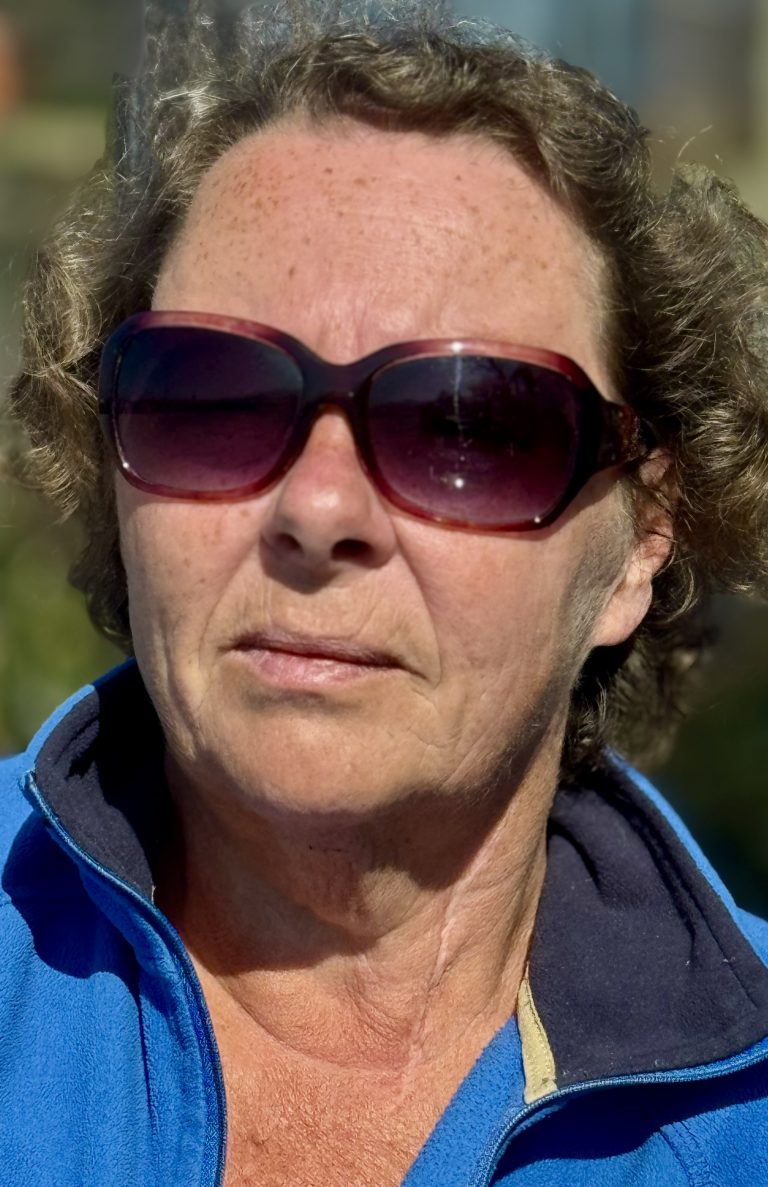
In our small travelling household, that question belongs entirely to Pip. While I may be the loadmaster – finding places to store our supplies, and chief cook, Pip is our quartermaster, a role she takes very seriously – and is seriously good at it too.
The supply chain
Before we leave any campsite, Pip already knows where the supermarkets are along the route. Not vaguely. Precisely. Distances, locations, opening hours — all quietly mapped so that if we need supplies on the way to the next stop, we know exactly where to go
Ideally, we leave with the basics already on board: bread, milk, coffee, and something batch-cooked that can be reheated if the day goes sideways. It isn’t shopping. It’s logistics.
Arrival reconnaissance
Once we arrive somewhere new, the next phase begins. Within a day or two Pip has usually found the shops she needs to understand the local supply chain.
What kind of supermarket is it? Is it small and local, or a proper large store with range? Is there a bakery nearby? Where will we buy fresh meat? Are the vegetables dependable?
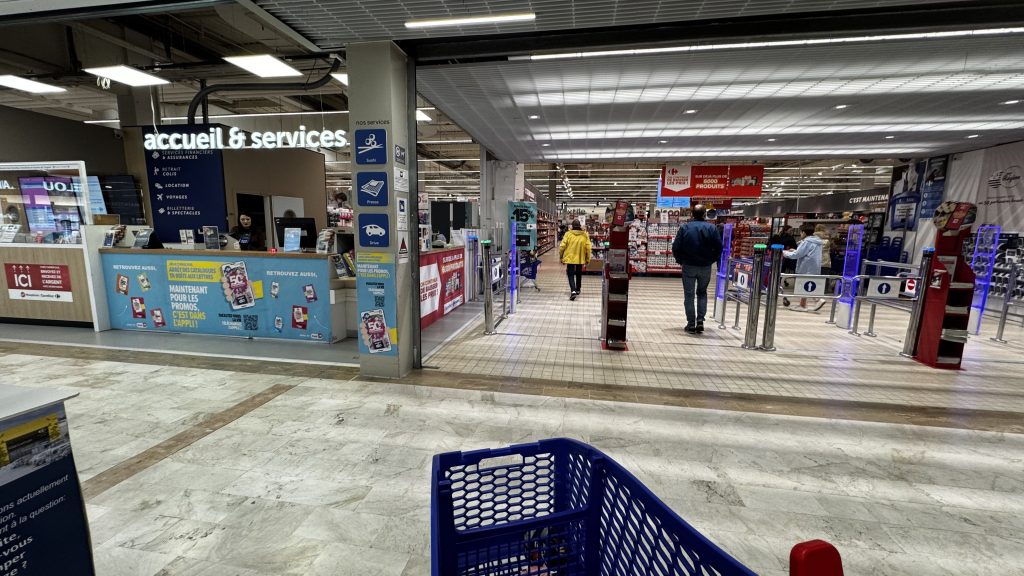
These questions sound small, but when your kitchen is inside a motorhome, they become surprisingly important. They decide whether a place feels easy to live in, or faintly unsettling.
When the system wobbles
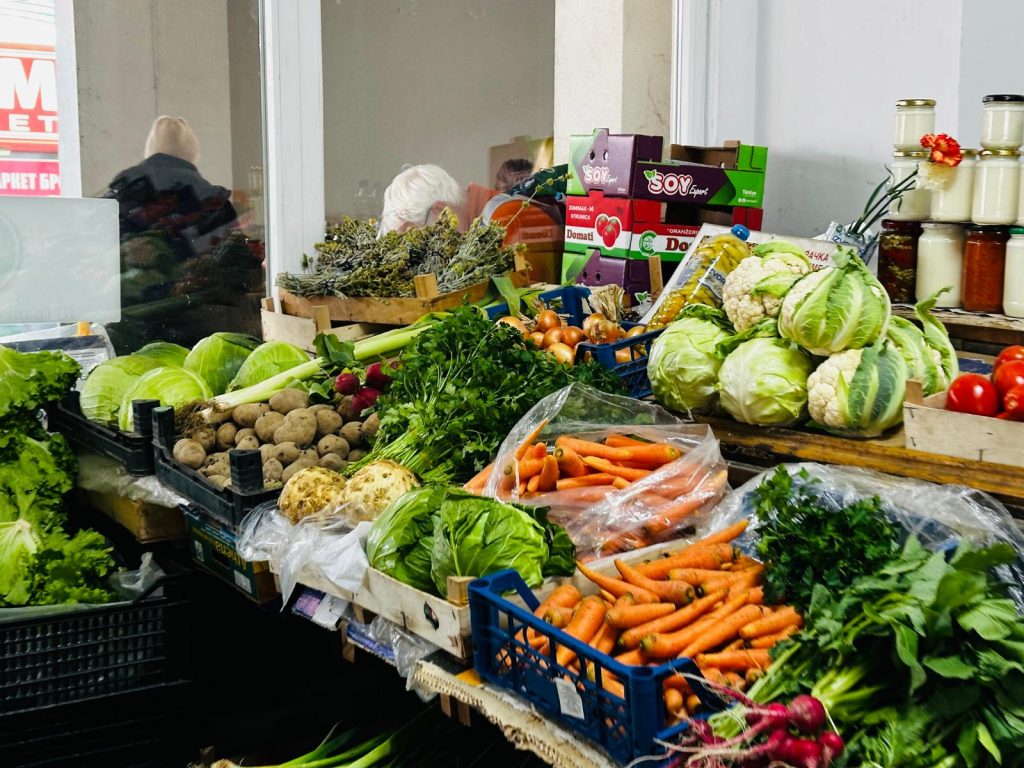
Here in Ohrid we discovered this the hard way. The first few supermarkets we visited had vegetables that looked… tired. Tomatoes without enthusiasm but lots of blemishes. Shrivelled peppers that had clearly seen better days. Potatoes wizened and actively spouting.
It bothered Pip more than either of us expected. Then we found the green market. Proper vegetables. Fresh produce. Suddenly the system worked again.
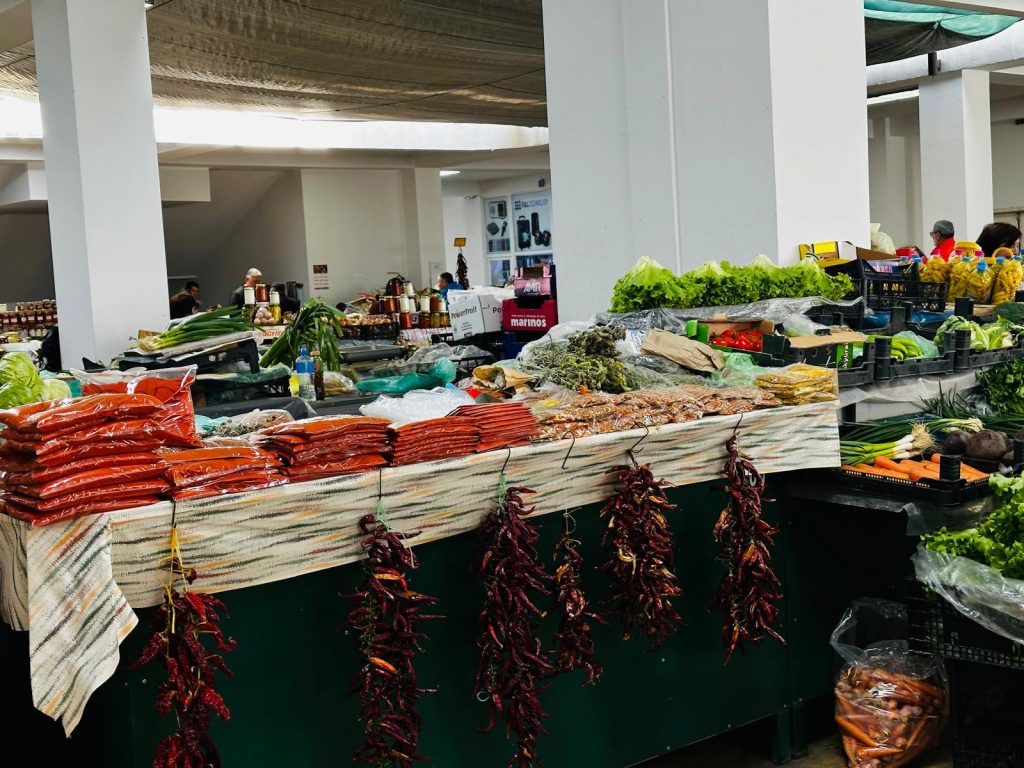
Confidence restored.
Learning the food landscape
Travelling quickly teaches you that familiar foods behave very differently depending on where you are. Albanian butchers were a good example. One day the fridge might have beef cuts you don’t recognise. Chicken? “Come tomorrow.” It’s not a supermarket model. It’s more like buying whatever arrived that morning.
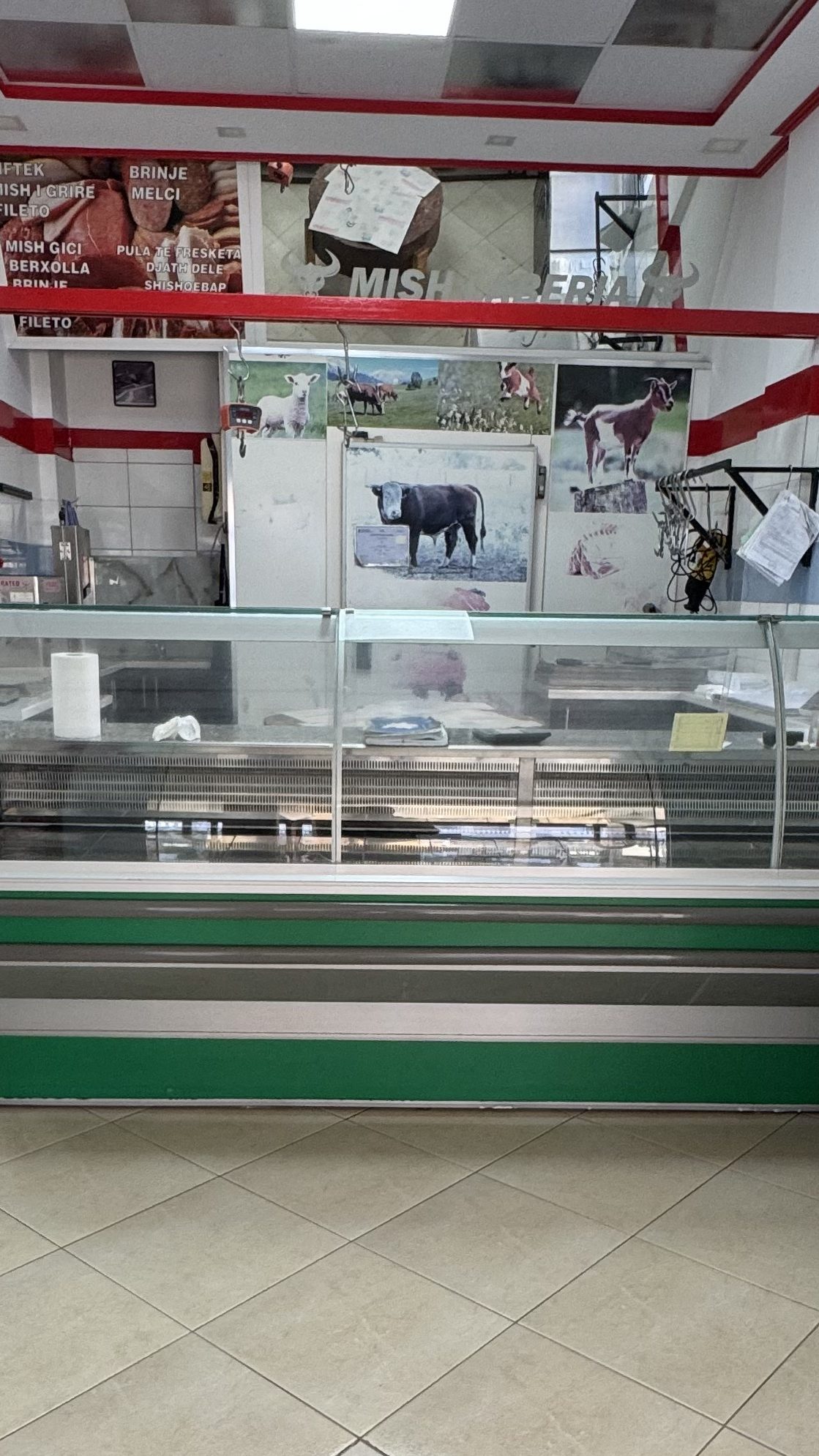
Bread has been the biggest surprise. France and Italy spoil you completely. Bakeries everywhere and loaves that taste exactly as bread should. Albania was surprisingly good as well.
Ohrid, so far, has defeated us. We have yet to find a loaf whose texture and flavour quite match what we want. It is not bad bread. Just… different.
Travelling recalibrates your expectations.
The storage problem
Of course, there is a complication. Motorhomes are not supermarkets. You want to be well stocked — bread, coffee, milk, ingredients for several meals — because you never quite know what tomorrow’s shops will look like.
Storage space is limited and weight matters. Every item that comes aboard must justify its place. So, the quartermaster is constantly balancing readiness against reality: enough supplies to feel secure, but not so much that the cupboards become unmanageable.
Storing ship
The armed forces have a phrase for this. They call it storing ship. Before a vessel sails, the stores assistant – or to give it the naval slang term, ‘Jack Dusty’ (named so because in days gone by they kept stores in the dusty environment of the flour locker), makes sure everything needed for the journey must be aboard: food, supplies, reserves for contingencies. It turns out the same principle applies to a travelling motorhome – just scaled down to bread, milk, and coffee.
The quiet role
Pip jokes that when snow is forecast at home she heads straight to the supermarket. It’s a good instinct. On the road the same instinct has simply become more refined.
Food is rarely far from her thoughts.
What do we have?
What do we need?
Where will we find it if tomorrow’s shop turns out to be disappointing?
It’s a system. And like most systems, you only notice its importance when it stops working.
A small conclusion
Travellers often speak about freedom. But even the freest journeys depend on someone quietly making sure where the next loaf of bread is coming from. In our travelling household, that responsibility belongs firmly to the quartermaster. And we are extremely glad she takes the job so seriously and does it so well.