

If bread in France is a daily ritual, pasta in Italy is something closer to a religion. It isn’t just eaten; it’s understood. Shapes carry meaning. Sauces have purpose. Get the pairing wrong and people may still be polite, but you’ll have broken an unspoken rule.
From the outside, pasta can look repetitive — endless variations on flour and water. From the inside, it’s anything but. Pasta is regional, historical, practical, and deeply cultural. To travel through Italy without paying attention to pasta is to miss a large part of how the country thinks about food, time, and place.
A short history (because it matters)
Despite the popular myth, pasta didn’t arrive with Marco Polo. Variations of dried dough existed in the Mediterranean long before that, particularly in the south, where durum wheat and dry climates made drying pasta practical and reliable.
Southern Italy — Puglia, Sicily, Campania — became the natural home of dried pasta. Northern regions, richer and cooler, leaned more toward fresh egg pasta. That divide still shapes Italian cooking today.
What matters here isn’t the timeline so much as the logic: pasta developed to suit climate, agriculture, storage, and labour. It is a solution, not an indulgence.
Fresh vs dried: two different tools
One of the biggest misunderstandings outside Italy is treating fresh and dried pasta as interchangeable. They’re not.
- Fresh pasta (often egg-based) is softer, more delicate, and designed to work with richer, smoother sauces — butter, cream, meat ragùs.
- Dried pasta (made from durum wheat and water) is firmer, resilient, and built to hold shape and texture. It pairs with olive oil, vegetables, pulses, and robust sauces.
Neither is “better”. They simply do different jobs.
Shapes with purpose
This is where pasta stops being a carb and starts being engineering.
Each shape exists to solve a problem: how to hold sauce, how to provide texture, how to behave in the mouth. Italians don’t choose pasta by whim; they choose it by function.
A few examples you start to recognise once you’re paying attention:
- Spaghetti – Smooth, long, and best with simple, slippery sauces: oil, garlic, chilli, tomato. Nothing too chunky.
- Penne – Cut on the diagonal, often ridged. Good for thicker sauces that need something to cling to.
- Rigatoni – Larger, ridged, and hollow. Ideal for hearty, chunky sauces and baked dishes.
- Fusilli – Twisted, designed to trap sauce in its spirals. Good all-rounder.
- Tagliatelle / Pappardelle – Wide ribbons, typically fresh. Built for ragù and slow-cooked meats.
- Lasagne sheets – Structural, not decorative. Pasta as architecture.
Then there are the regional specialists.
Orecchiette: pasta with memory
Orecchiette — “little ears” — come from Puglia. They’re small, cupped, and deceptively simple. Traditionally made by hand, each piece slightly imperfect, they’re designed to catch small ingredients: chopped greens, garlic, chilli, anchovy, breadcrumbs.
This is peasant food in the best sense — economical, nutritious, and precise.
The classic pairing is orecchiette con cime di rapa, where bitterness, olive oil, and pasta work in balance. Broccoli or other greens all make sense here. Cream does not. Cheese is used sparingly, if at all.
Once you understand orecchiette, you understand something important about southern Italian cooking: flavour comes from restraint and contrast, not abundance.
Pasta as everyday structure
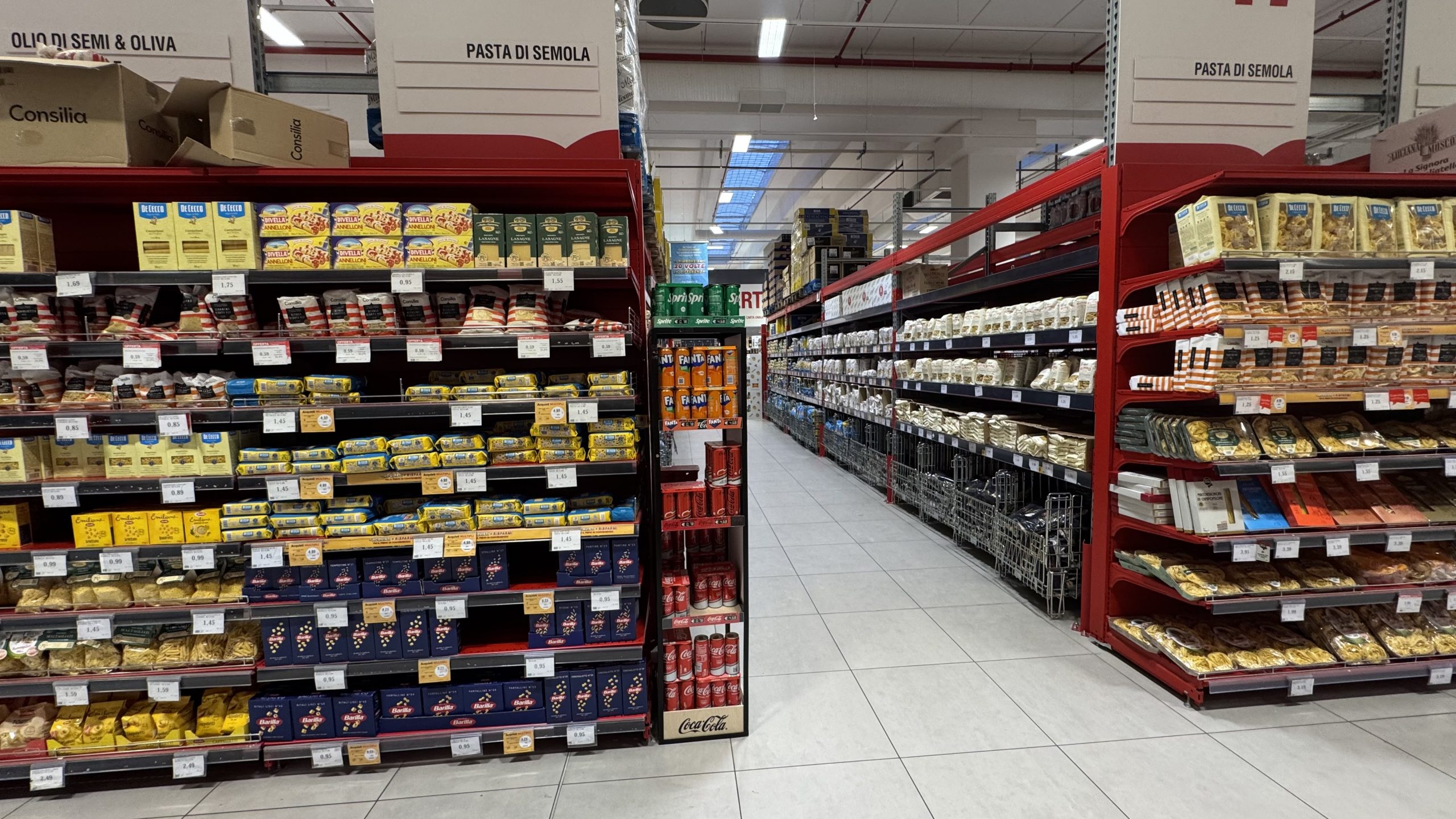
What struck me most, travelling through Italy, wasn’t the restaurant food but the supermarket shelves. Aisles of pasta, yes — but also the calm certainty with which it’s treated. Pasta isn’t a treat or a cheat; it’s a foundation.
People aren’t endlessly searching for novelty. They’re refining a small number of well-understood combinations. That confidence is cultural.
There’s also portion sense. Pasta is filling, but not overwhelming. It’s rarely drowned in sauce. It’s eaten, enjoyed, and then life continues.
What I’ve learned (so far)
Living on the road sharpens your attention. Cooking in a small space forces choices. Pasta, done properly, makes sense here:
- It stores well
- It’s versatile
- It’s forgiving
- It rewards understanding
Most of all, it encourages you to slow down and cook with intent. Choose the shape. Choose the sauce. Let them do their job.
That, I suspect, is the real lesson pasta offers — not abundance, but appropriateness.