
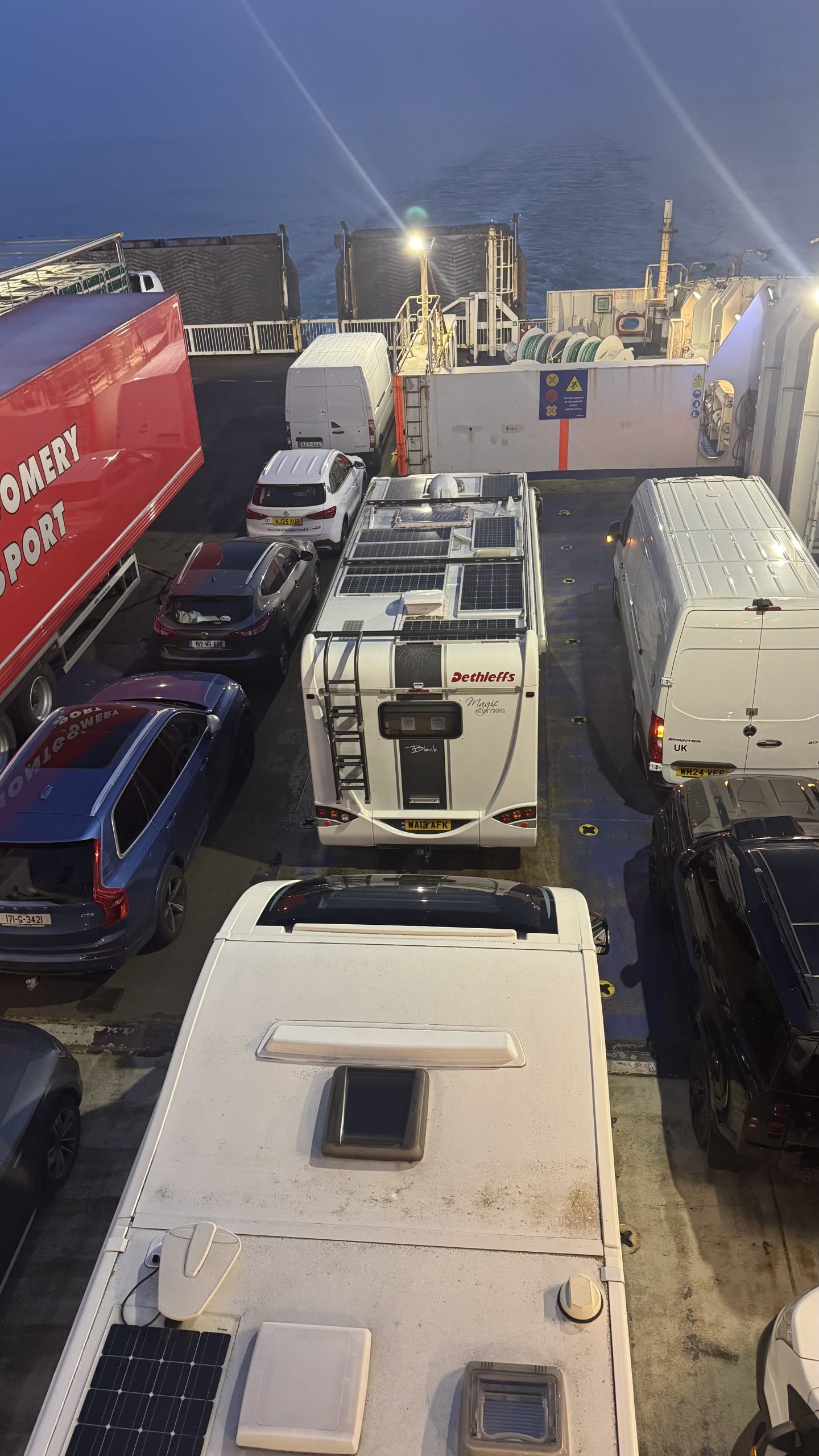
Seven months into retirement and four months into our European motorhome tour, I take a philosophical look at what has changed in that time.
There comes a moment when work stops. The alarm clock is no longer required. The obligations that structured decades of life fall away. Ahead lies something both liberating and unsettling: a stretch of time before the blank screen of death.
We have come to call this the Third Life.
The first life is childhood, learning the world. The second life is work — contribution, responsibility, the long arc of effort. The third life sits between usefulness and oblivion, where the question gradually emerges: who are we now?
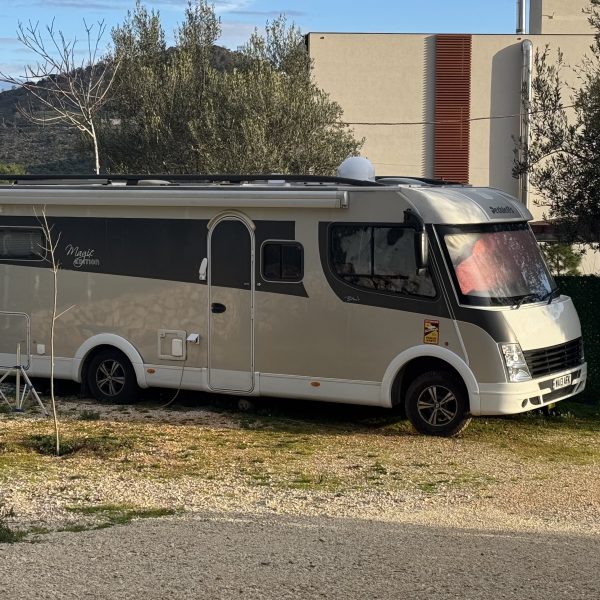
Last November we crossed into France at Roscoff and began travelling across Europe in a motorhome. At that point Third Life was still an idea. We knew we wanted adventure, exploration and different cultures. We also knew we wanted time to think, observe and live differently.
What we did not yet know was how the journey itself would begin shaping the philosophy.
Travel initially feels like movement. New towns, unfamiliar languages, different food. But slowly the novelty fades and a different pattern emerges. Instead of focusing on where we are going next, attention turns toward how we are living now.
That change happens quietly through small experiences.
Early in the journey we had to learn the practical craft of this life: choosing and using aires, sostas and campsites. The infrastructure of nomadic Europe reveals itself slowly and each stop teaches something new about judgement and trust.
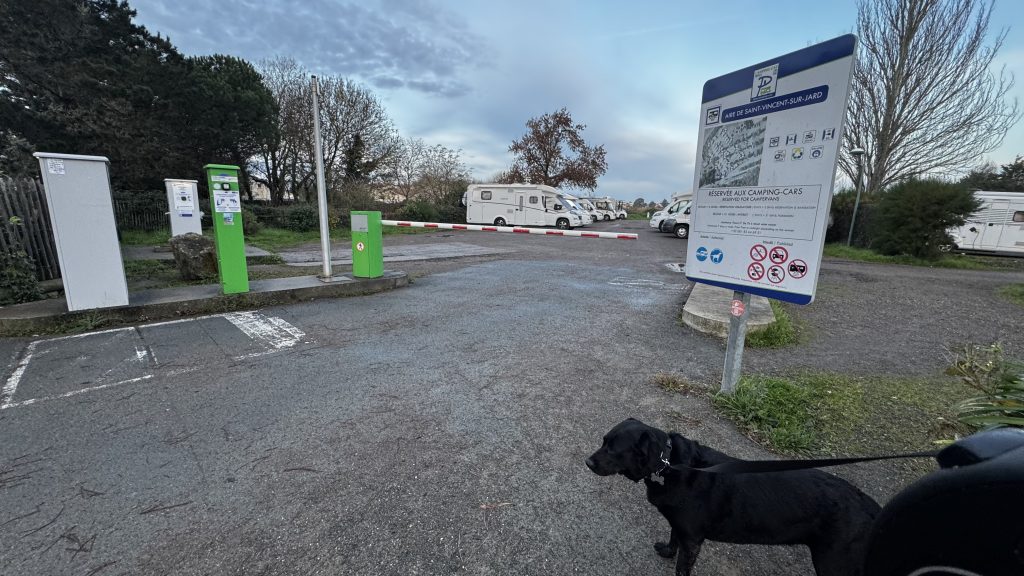
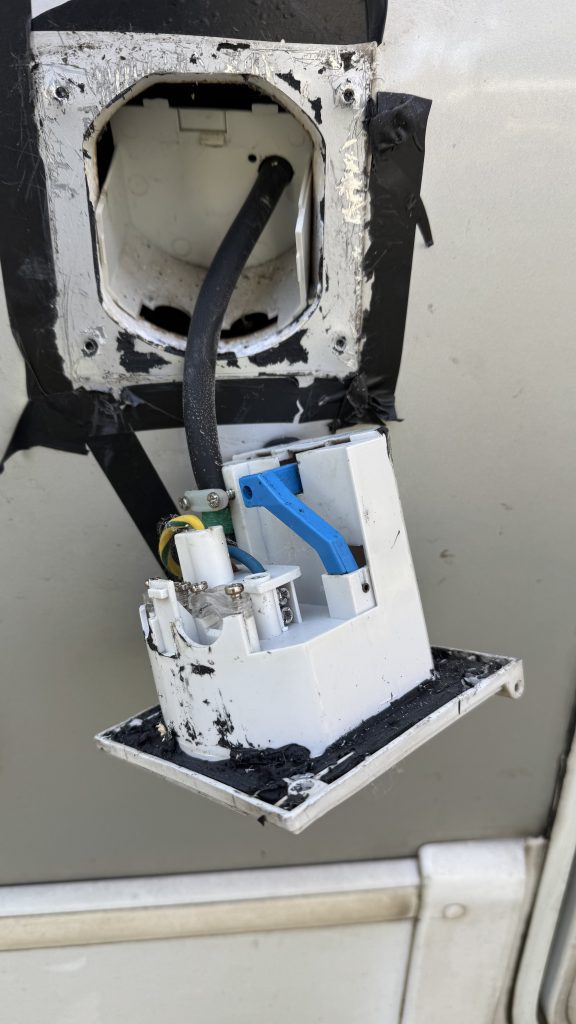
Mechanical faults and small damage appear too. Each one demands composure rather than panic. These moments reveal something important about resilience: travelling well is less about avoiding problems than about responding calmly when they arise.
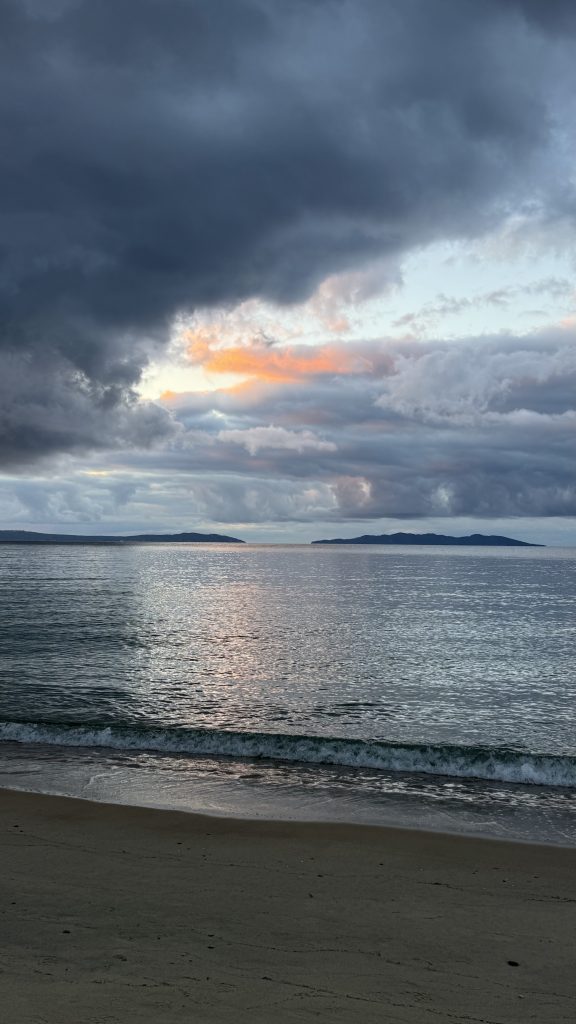
At Le Lavandou we made the first significant decision to extend a stay rather than continue moving. That moment marked a shift from travelling to inhabiting.
Borders provide their own lessons. Crossing them repeatedly teaches composure. Documentation is checked, questions are asked, and the traveller learns that calm preparation is the best companion.
The Schengen rules have occasionally constrained our movement. Yet the experience has never felt like being trapped. Instead, it has encouraged a slower exploration of the places outside its boundaries.
Daily life evolves alongside these structural lessons.
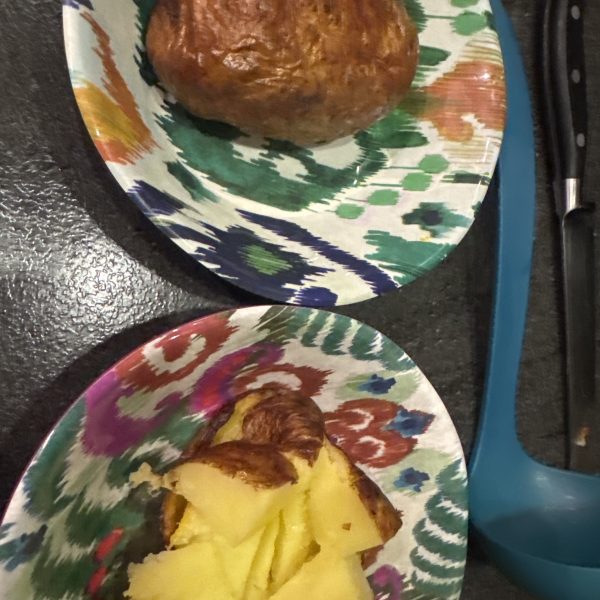
Cooking becomes part of the rhythm of the road. Perfecting jacket potatoes in the Instant Pot, learning how to bake bread in a motorhome oven, and building the habit of batch cooking are small domestic victories. They demonstrate that constraint does not require compromise — it requires better thinking.
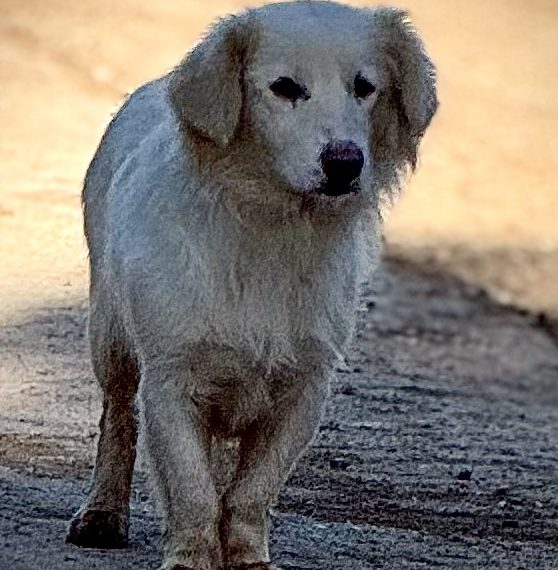
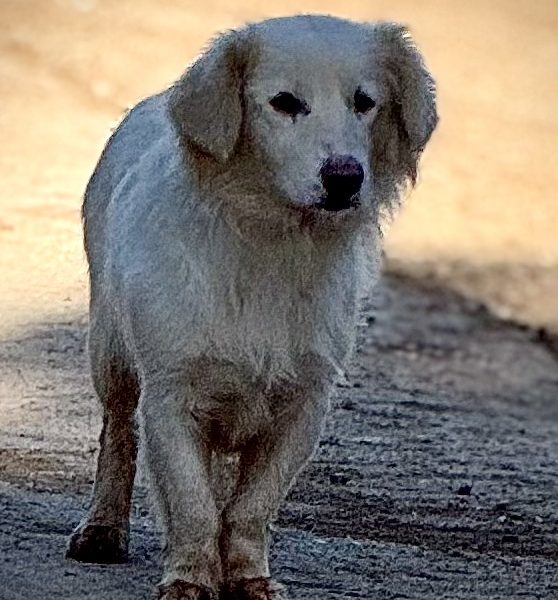
Encounters with street dogs in Albania provided another unexpected education. At first unsettling, they eventually became an exercise in observation: territory, hierarchy, cortisol and instinct. Once again patience replaced reaction.
Individually none of these experiences are remarkable. Together they form a pattern.
Reflection helps us see what has happened. It allows us to recognise the changes already underway. Decisions arrive more slowly. First impressions are given time to settle. Curiosity increasingly replaces judgement.
But reflexivity asks a deeper question.
If these experiences are shaping the way we think and act, what are they shaping us into?
The journey is not mine alone. Pip is travelling through her own version of Third Life at the same time. Our decisions emerge through conversation and shared observation. The philosophy we are discovering is something we are building together.
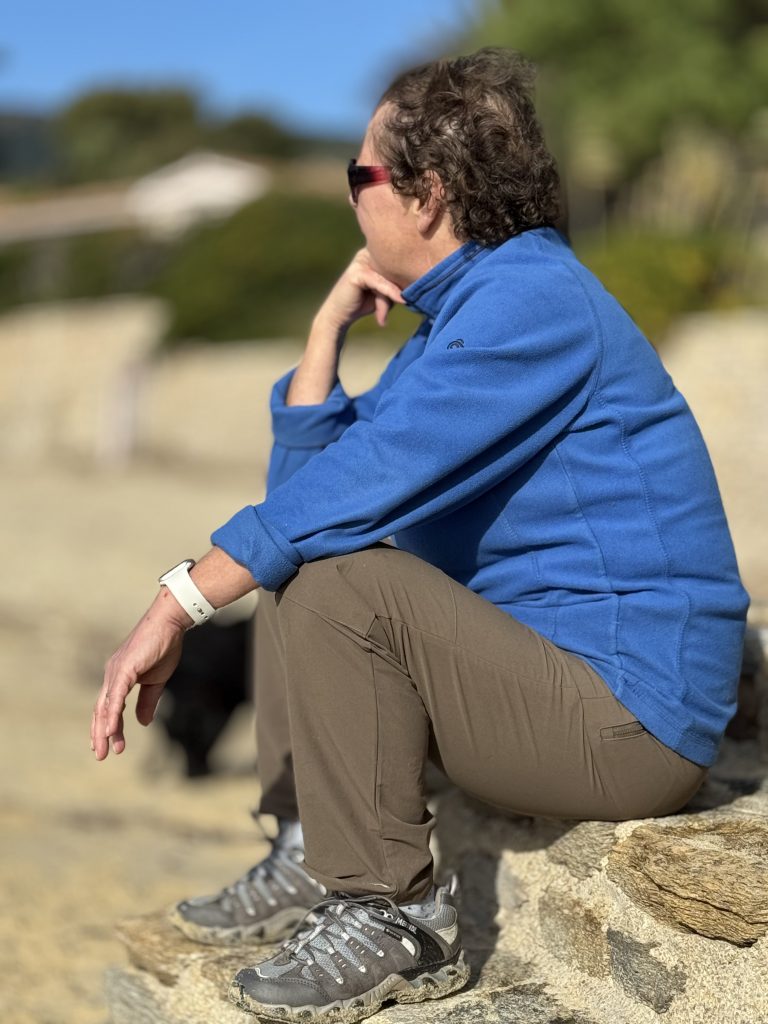
Our travelling community extends further still.
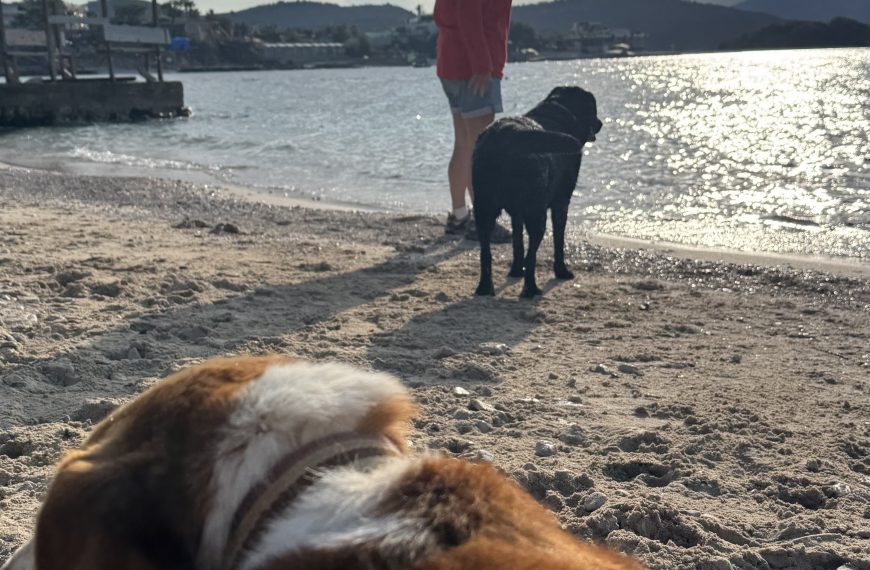
Scylla experiences each new place through smell, territory and movement. Watching her adapt reminds us that exploration is not purely a human endeavour. Curiosity, caution and learning are present in other species too.
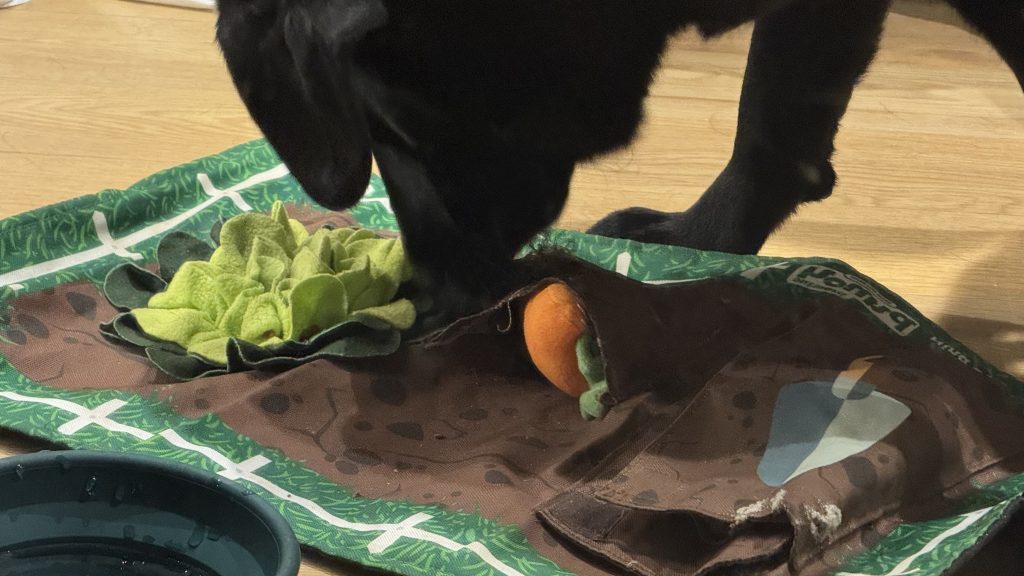
Even the process of reflection itself has become collaborative. Thought is tested through dialogue and writing.
Seen this way, the journey functions as a feedback system.
Experience shapes interpretation. Interpretation shapes the next decision. Each decision creates the conditions for the next experience.
Over time a philosophy begins to emerge from this loop.
Between Roscoff and Ohrid we can already recognise its outline.
Patience matters more than speed.
Observation matters more than reaction.
Standards matter even when equipment and circumstances are limited.
And relationships — between partners, between humans and animals, even between traveller and place — shape the meaning of the journey.
Third Life is therefore not simply a period of travel.
It is a period of becoming.
The reflective question asks: who are we now?
The reflexive question goes further.
Given what we have learned so far, who are we becoming?